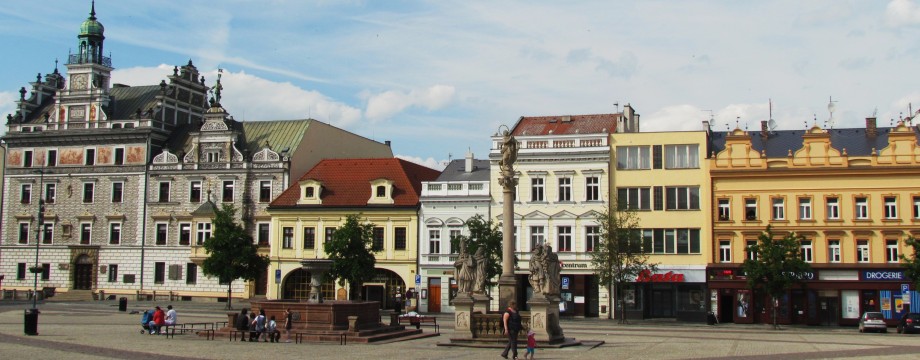
Destination: Olomouc

Olomouc is the fifth largest city in the Czech Republic.  It is located in the heart of the Hana region in Moravia and currently inhabited by more than 100,000 citizens.
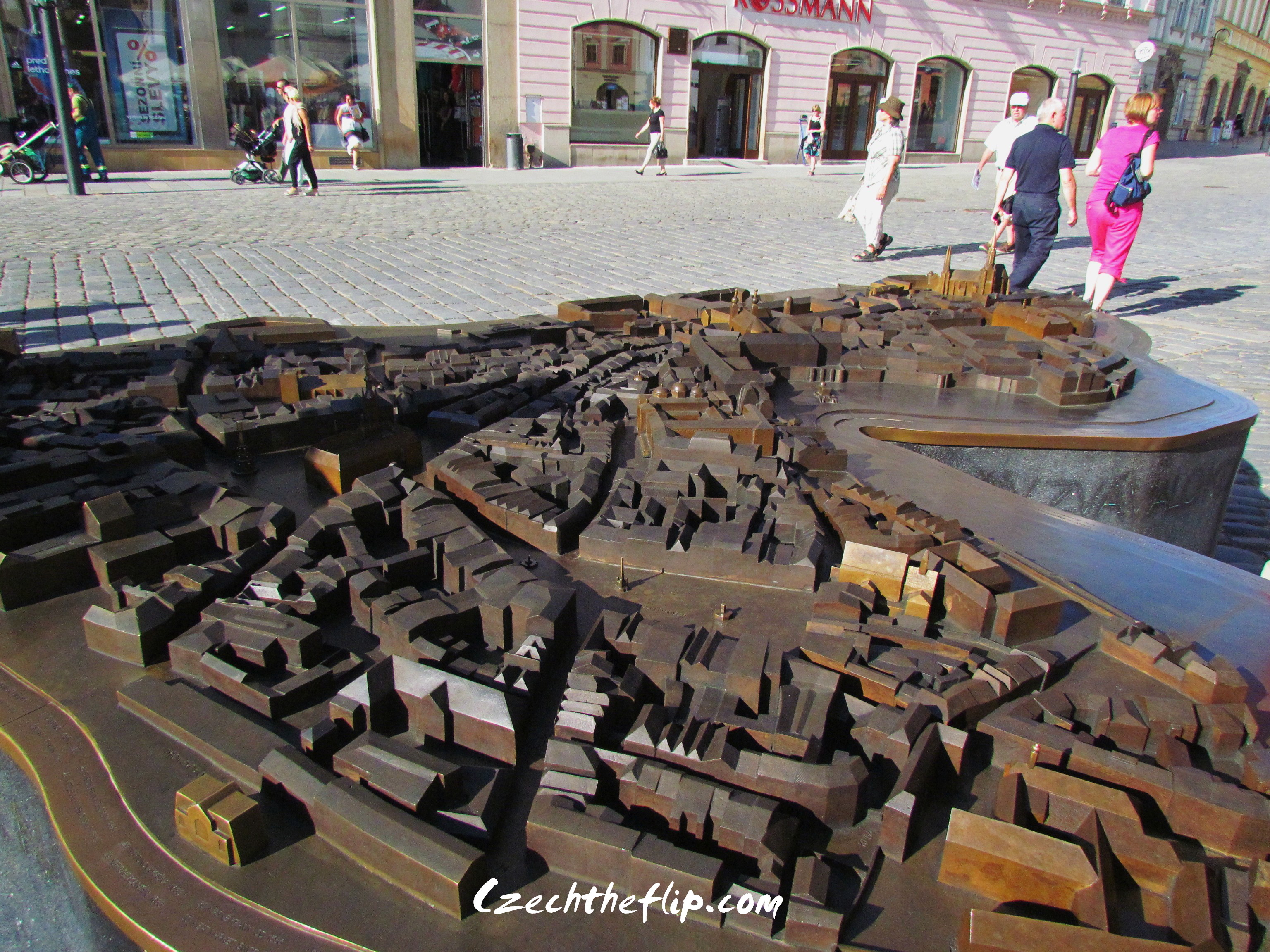
Map of Olomouc found at the city center

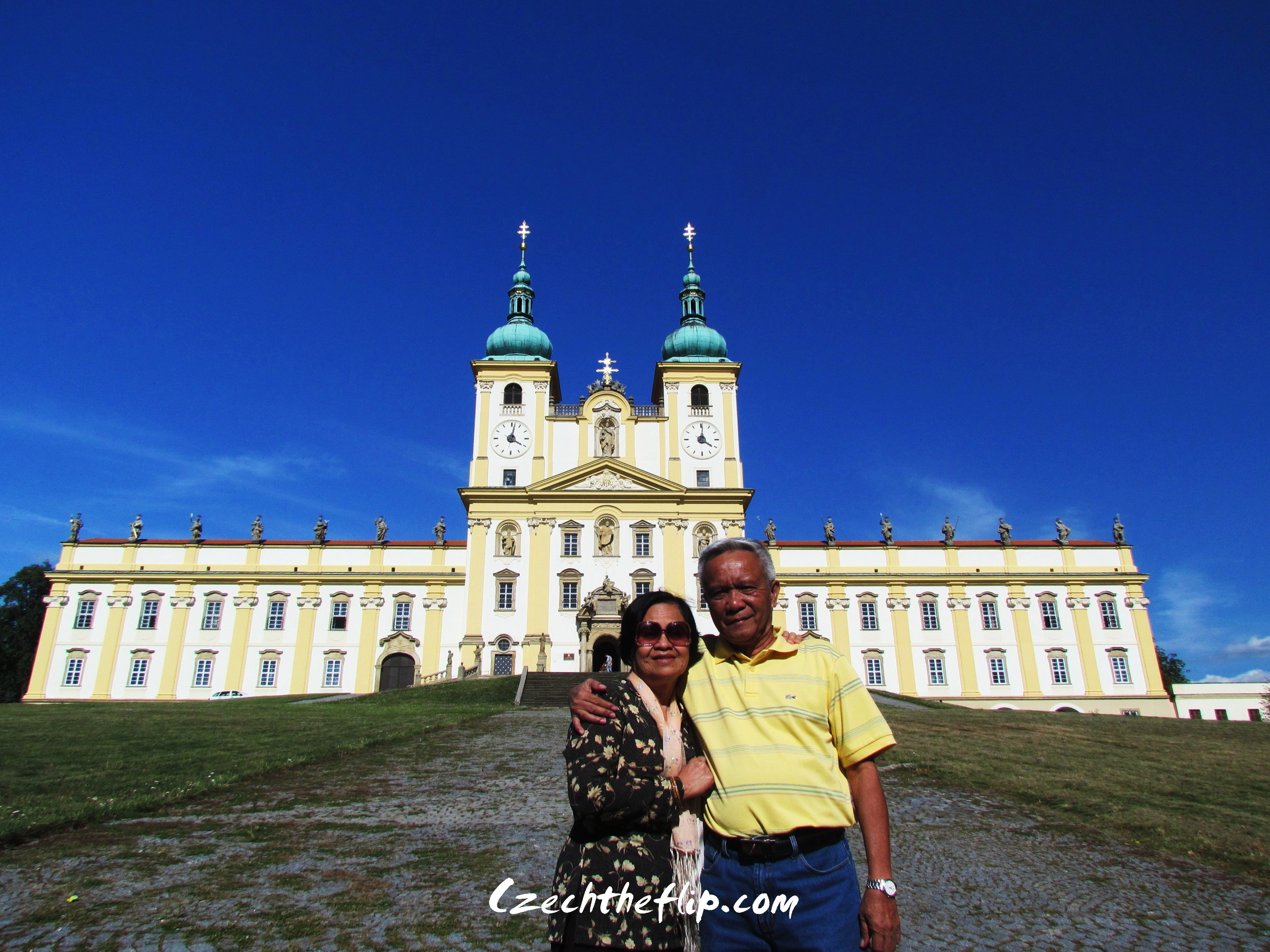
The first stop during our visit to Olomouc was the Holy Hill:  The Church of the Visitation of the Virgin Mary .  In 1995, Pope John Paul II paid a visit at this church and it was also during that year when the Roman Catholic church declared it as a minor basilica.  Today, the Holy Hill is one of the most visited places in Olomouc.

My parents, being devout Catholics, were so happy to have had the opportunity to visit this place.
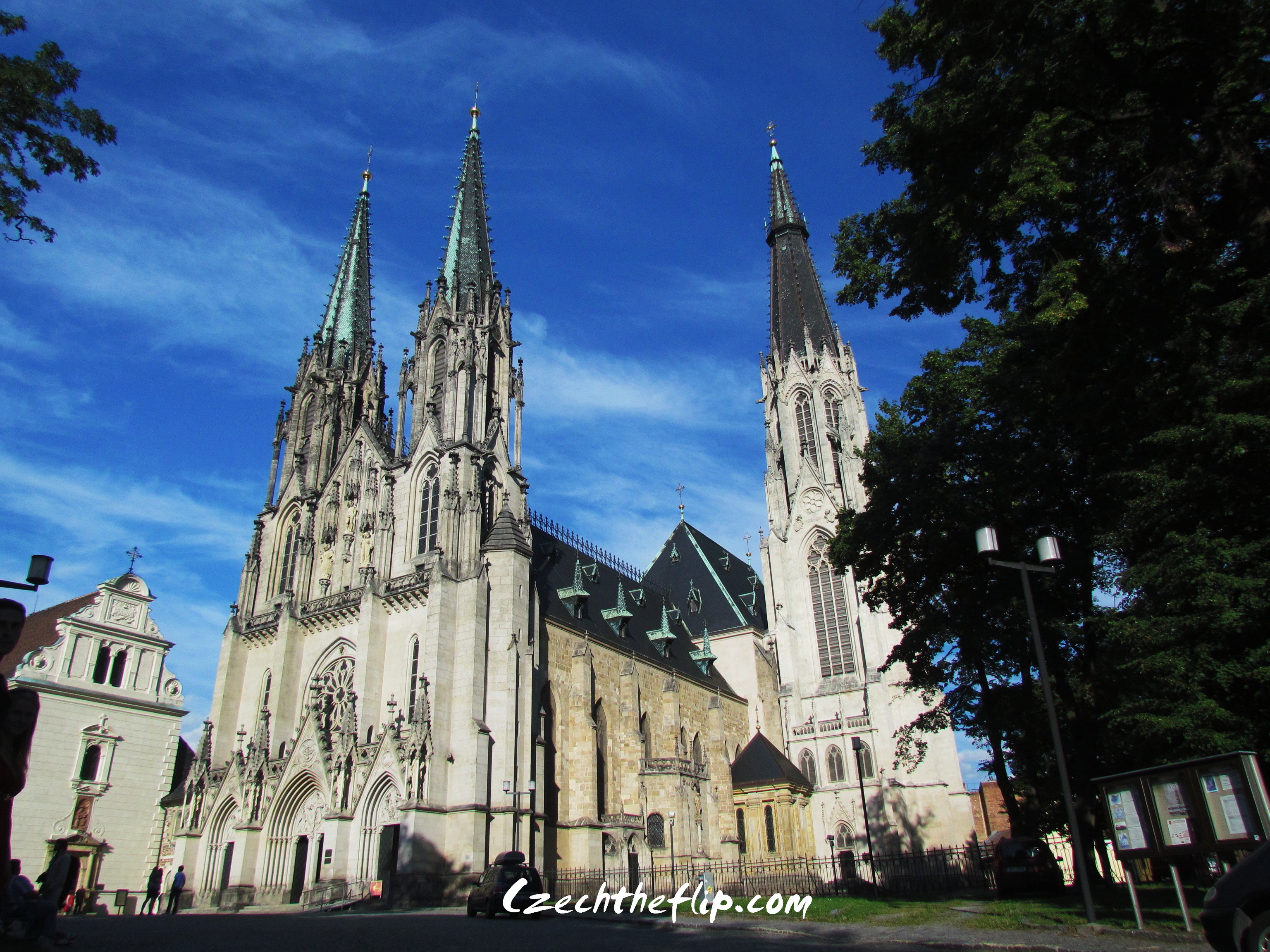
We also visited the St. Wenceslaus cathedral, the seat of the Roman Catholic Archdiocese of Olomouc.
Another famous landmark in Olomouc is the Holy Trinity column, which is currently listed as a UNESCO world heritage site.

Erected in the 18th century, this monument is the best example of a typical Central European column.

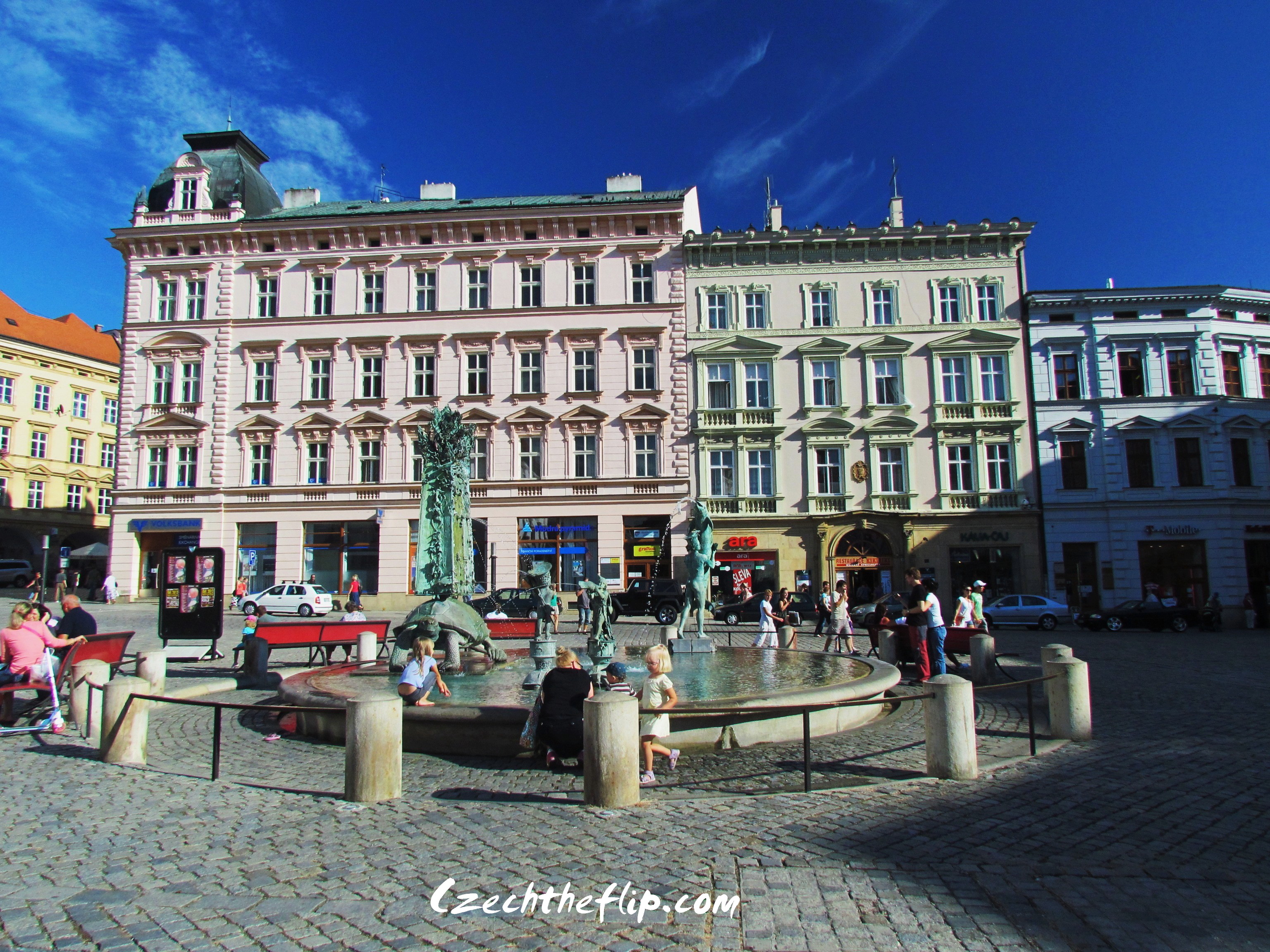
And of course, just like most cities in Europe, Olomouc has beautiful fountains.

There are only two astronomical clocks in the Czech Republic.  The first one is in Prague and the second one in Olomouc.

The Olomouc astronomical clock is quite unique because it was remodelled in the first few years of communism.  After the fall of communism in the ’80s, most of the prominent statues and monuments were removed, but the astronomical clock remained.  Today, it offers the viewer a glimpse of the communist era in Czech.  It has massive mosaics of workers and scientists and a dial that turns to display the International day of the Worker and the birthdays of Lenin and Stalin.

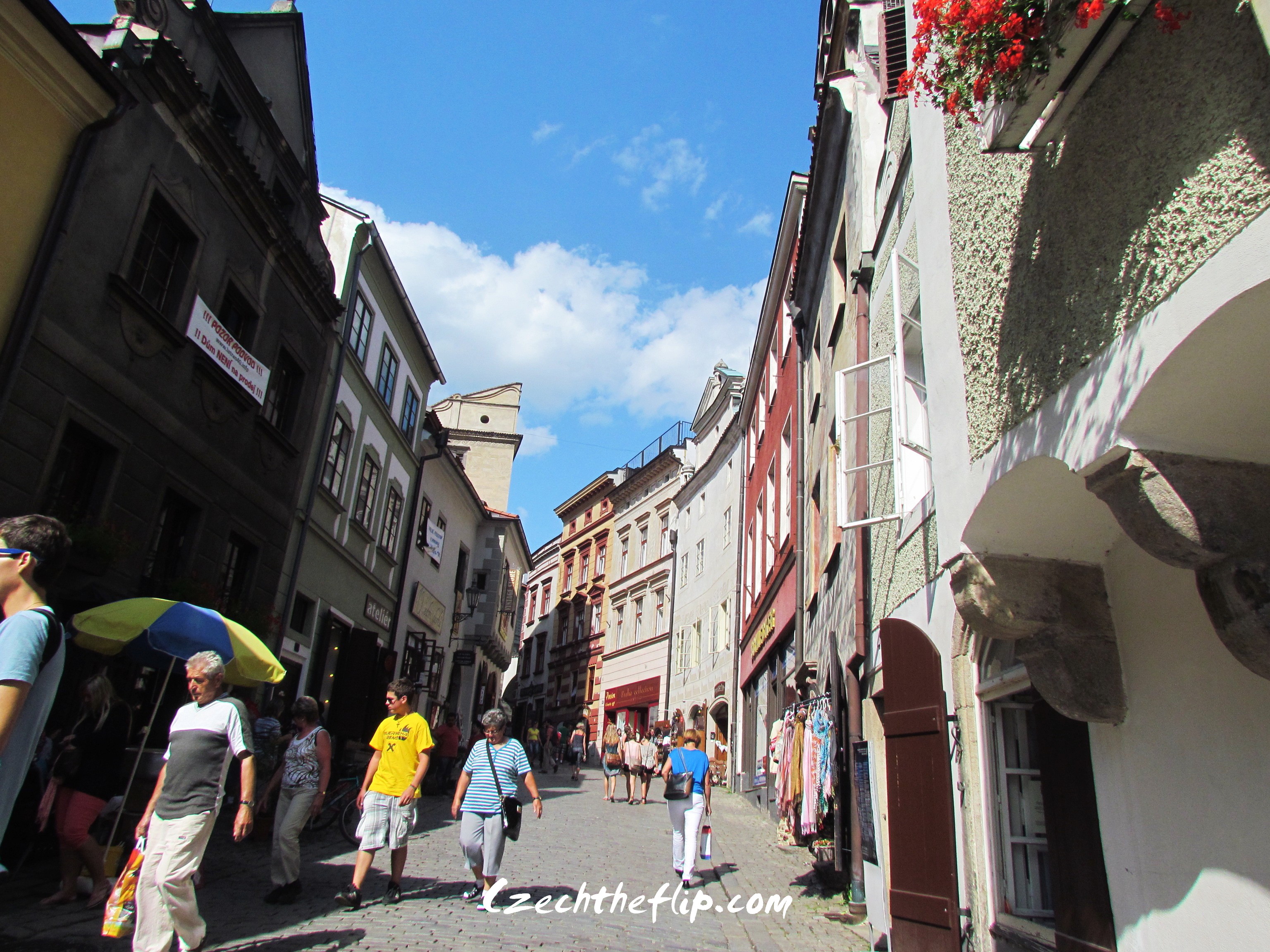
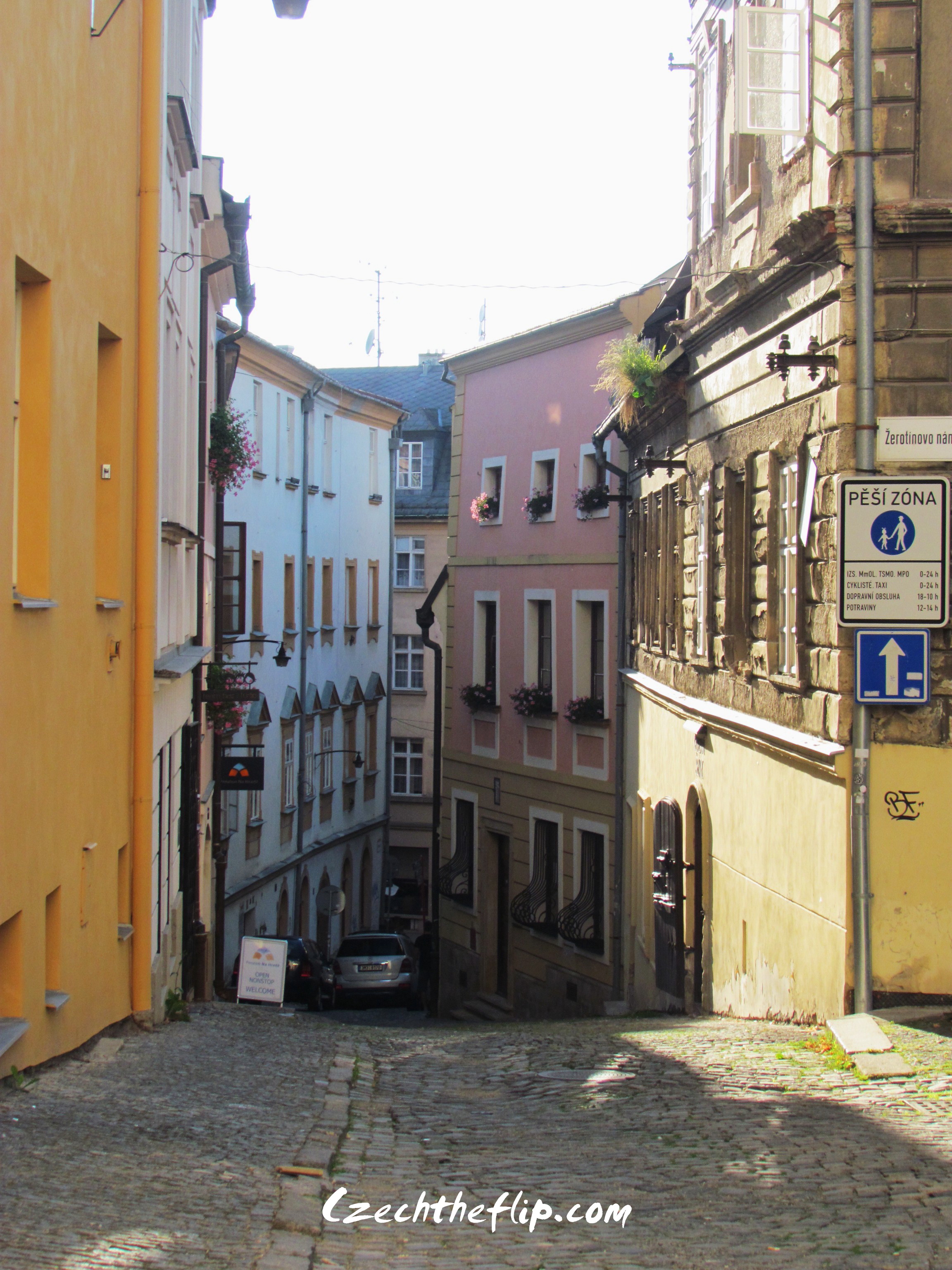
Like most cities here in Czech, the city of Olomouc  is laden with cobblestones and surrounded by beautiful architecture.

Although difficult for driving , a narrow street is my favorite passageway.
If you are craving for Asian food, there is always a Chinese restaurant somewhere.  In Olomouc, you can find it at the town square.
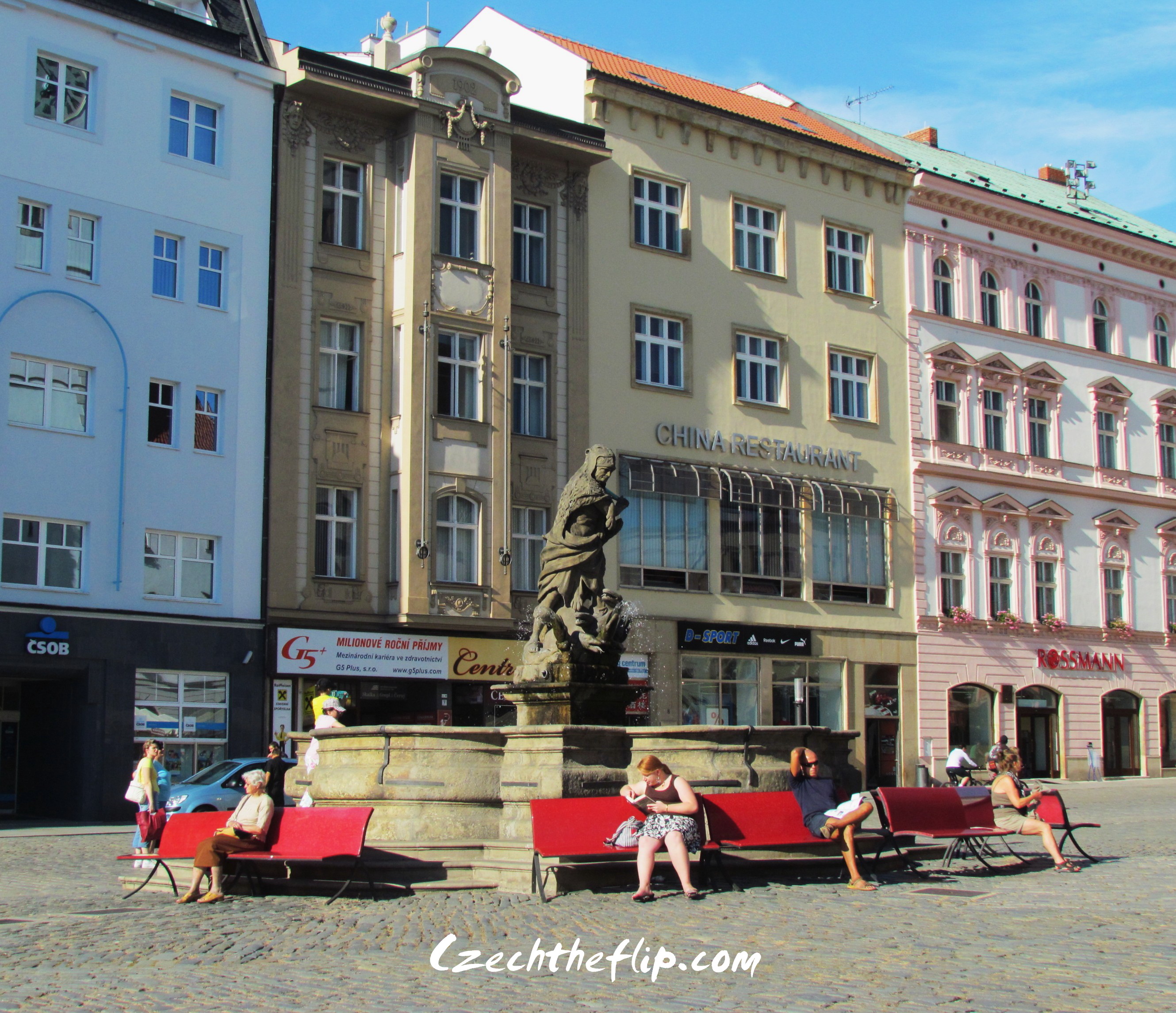
Olomouc is one of the cities that you should definitely see during your trip to the Czech Republic.

For more information about this city, you can visit this site.
Destination: Holašovice

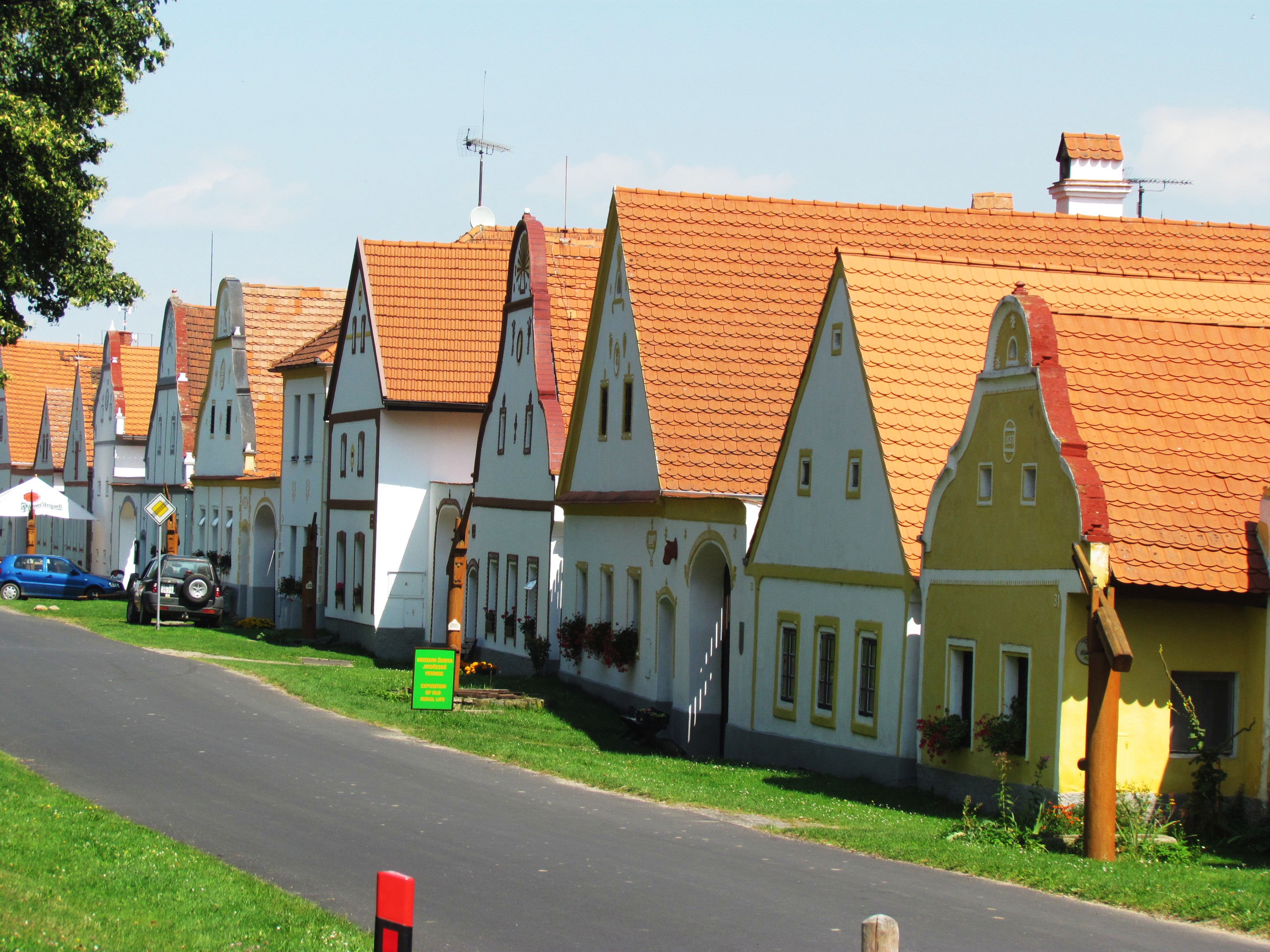
Holašovice is a small historical farming village in the Southern part of the Czech Republic. After visiting Cesky Krumlov, we decided to take a quick peek at this little village which has been recognized as a UNESCO World Heritage Site.

During the 15th century, this village was nearly wiped out by the Bubonic plague.  Its significance lies in the fact that it is a typical Bohemian farming village.  It has been abandoned during the second world war and post communist Czech, and was only recently restored in 1990.

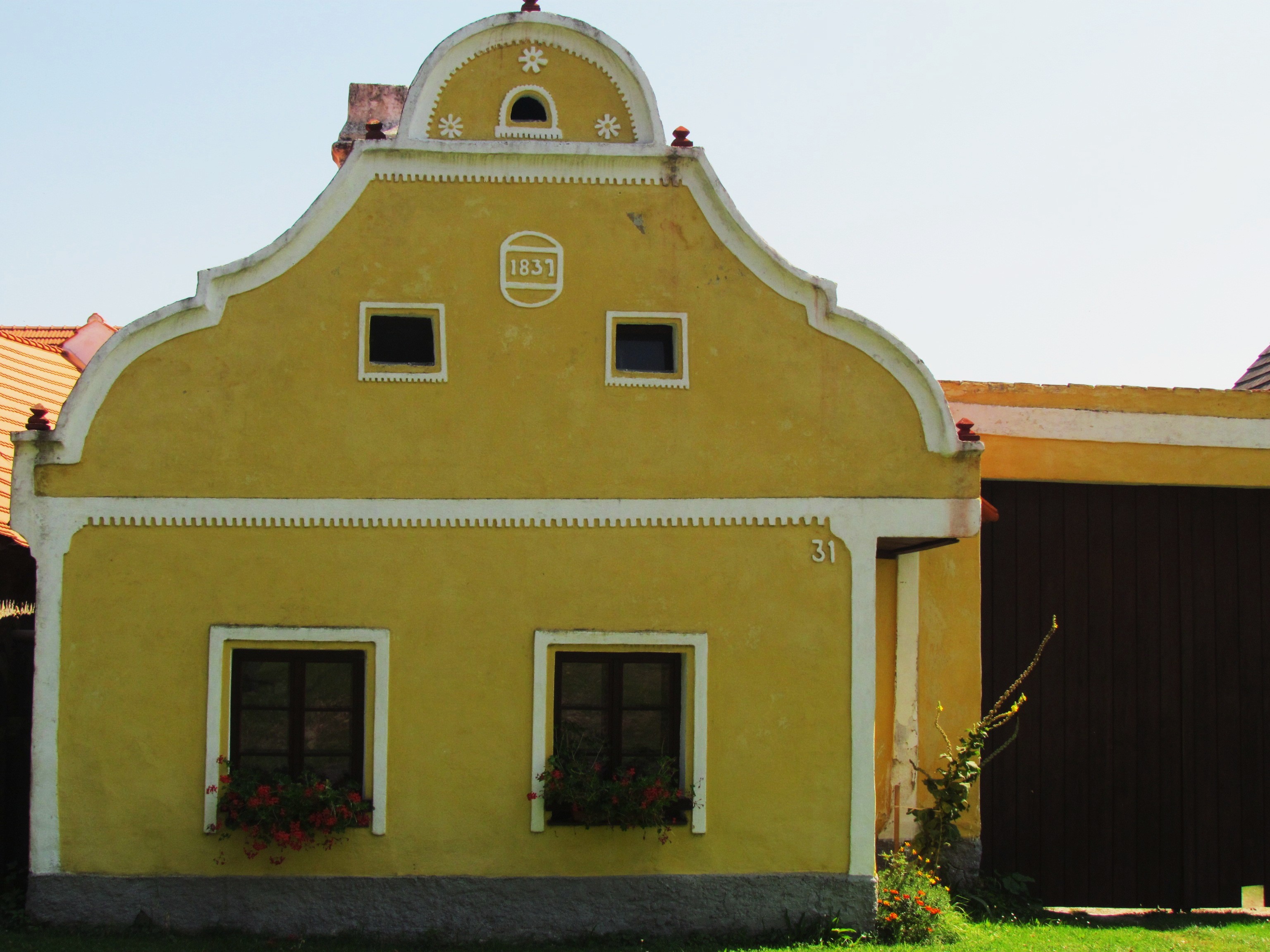
It was amazing to see how old these houses were.

The current population of this village is approximately 140.  Thus, its quiet surroundings and natural charm somehow provide a calming effect and a welcome reprieve for the stresses of city living.

For those who are visiting Cesky Krumlov or Ceske Budejovice, I would recommend this place as a great side trip.

More information about Holašovice can be found here.  


Destination: Český Krumlov

One of my favorite places in the Czech Republic is Český Krumlov.  Located in Southern Bohemia, the town is a 2 and a half  hour drive from Prague.

Due to its old-world charm and natural beauty, it is one of the most visited places in Czech.  On our trip there, I was surprised to see a lot of Asian tourists.  Other than Prague, this town had the most diverse tourist population compared to the other places we visited.

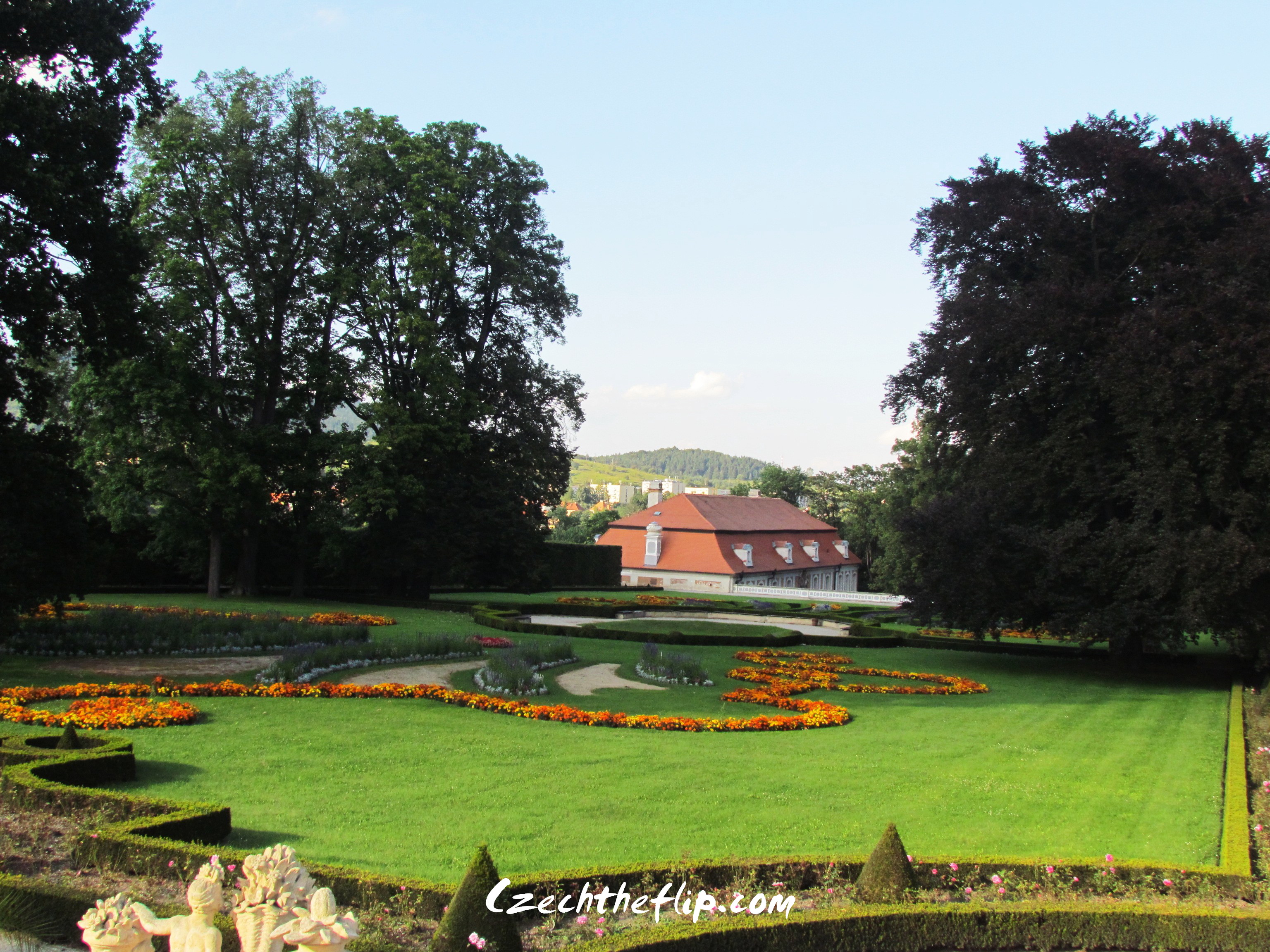
The castle, with its beautiful gardens, offers breath-taking views of the city.

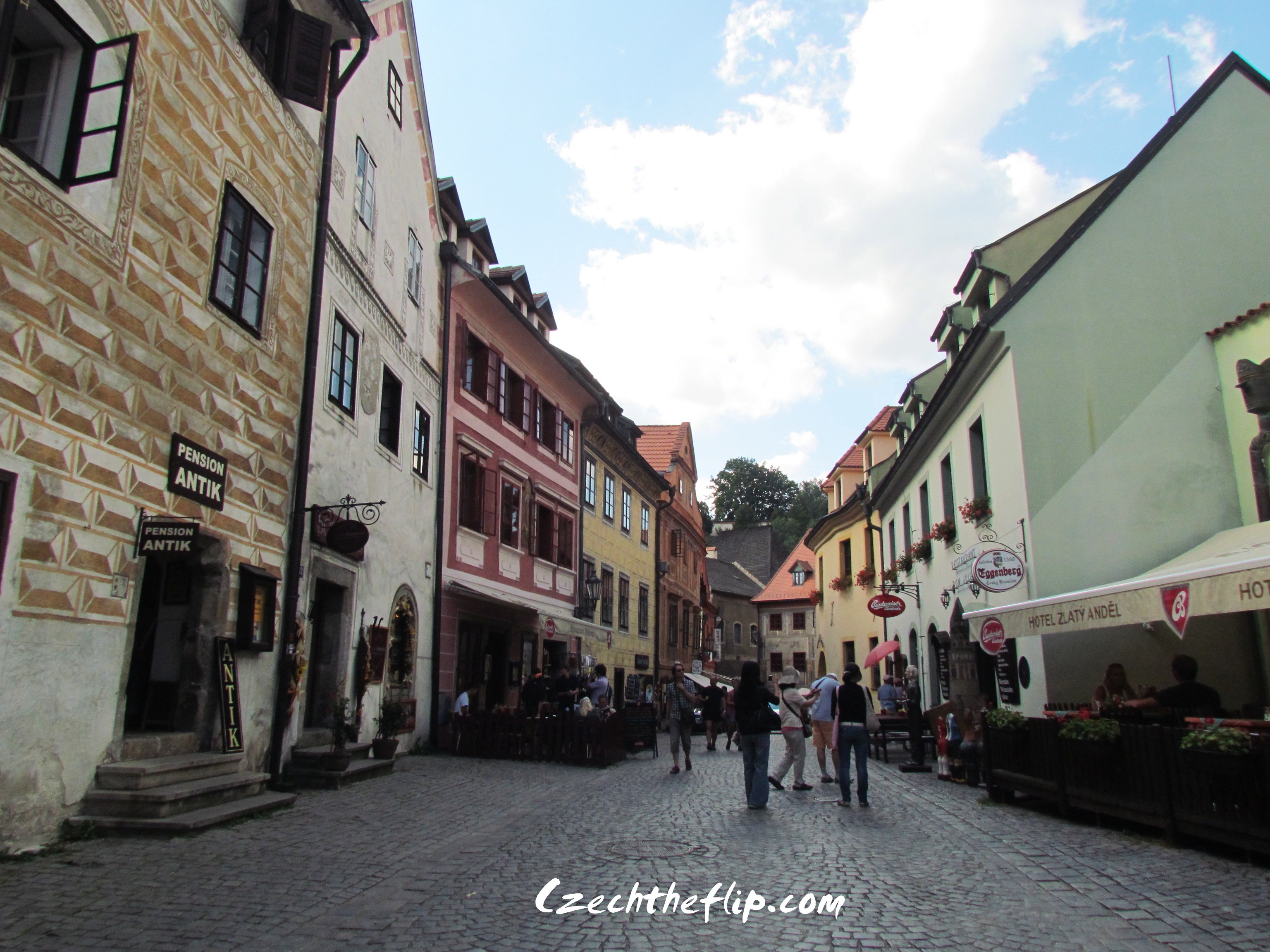
But the inner city is not to be outdone.  It also has its own charm that enchants every visitor.

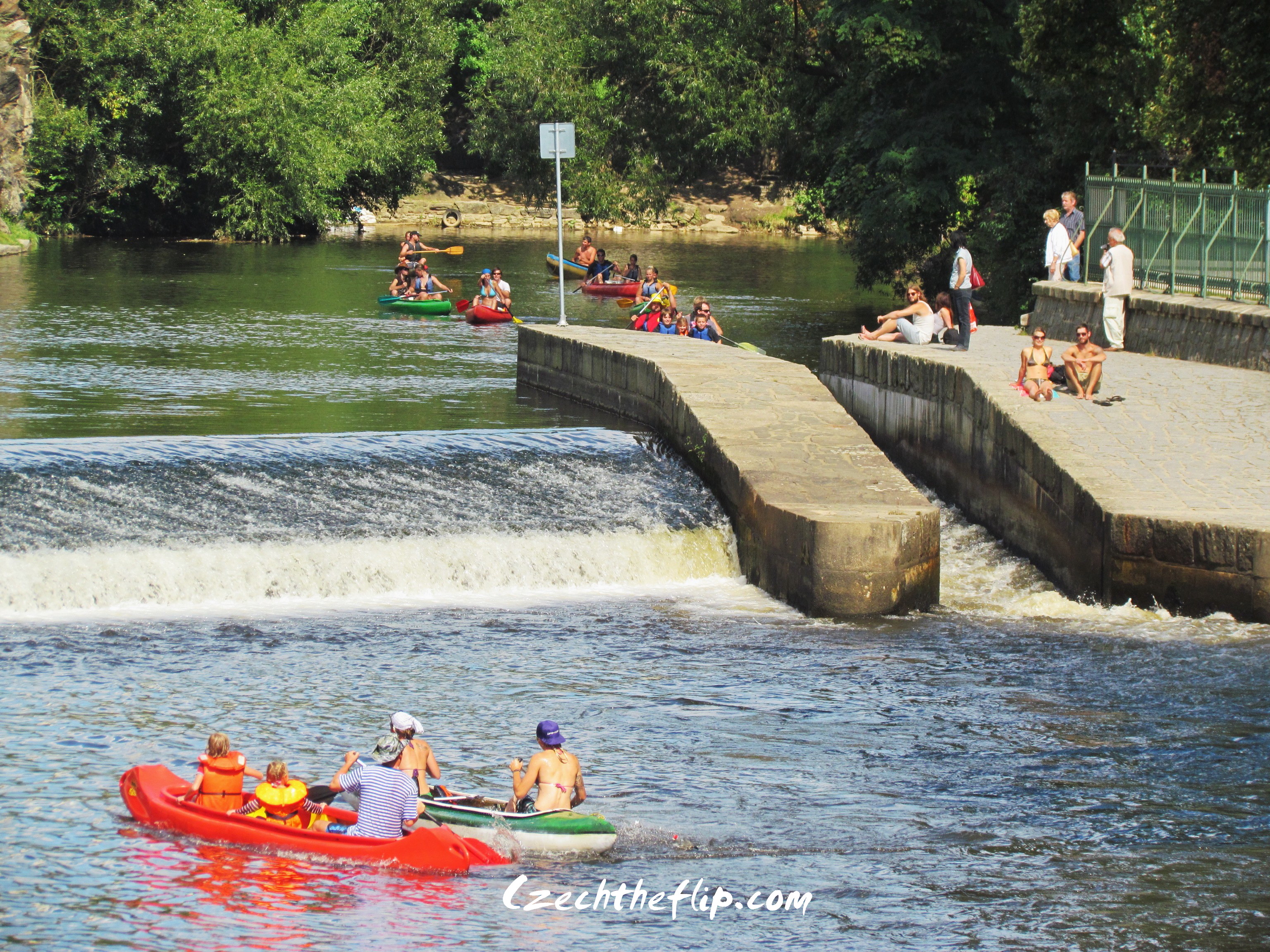
Český Krumlov is a city bordered by the Vlatava river.  Thus, it is not surprising to see that canoeing, kayaking and rafting is one of its best attractions.

During our trip, we didn’t get to do this, but it gave us motivation to go back.  Perhaps when Jakub is older, we can try it.

I felt that the 2 days that we spent there was a very short trip, but it gave us reason to come back for more.

For those of you who are interested in checking out this place, more information can be found here.

Destination: Grandma’s Valley & Adršpach

After visiting some castles and chateaus, our next goal was to see the Czech countryside.

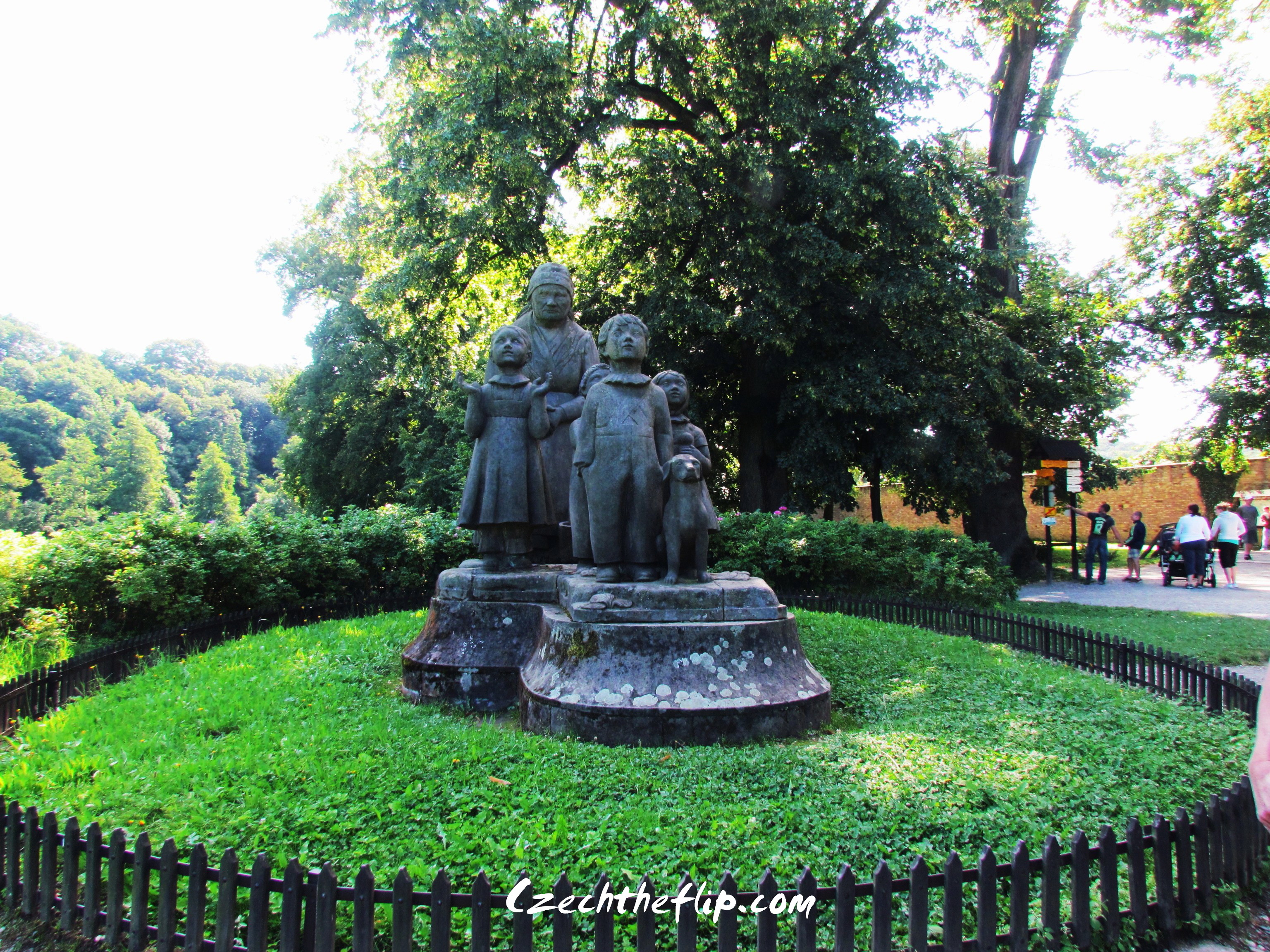
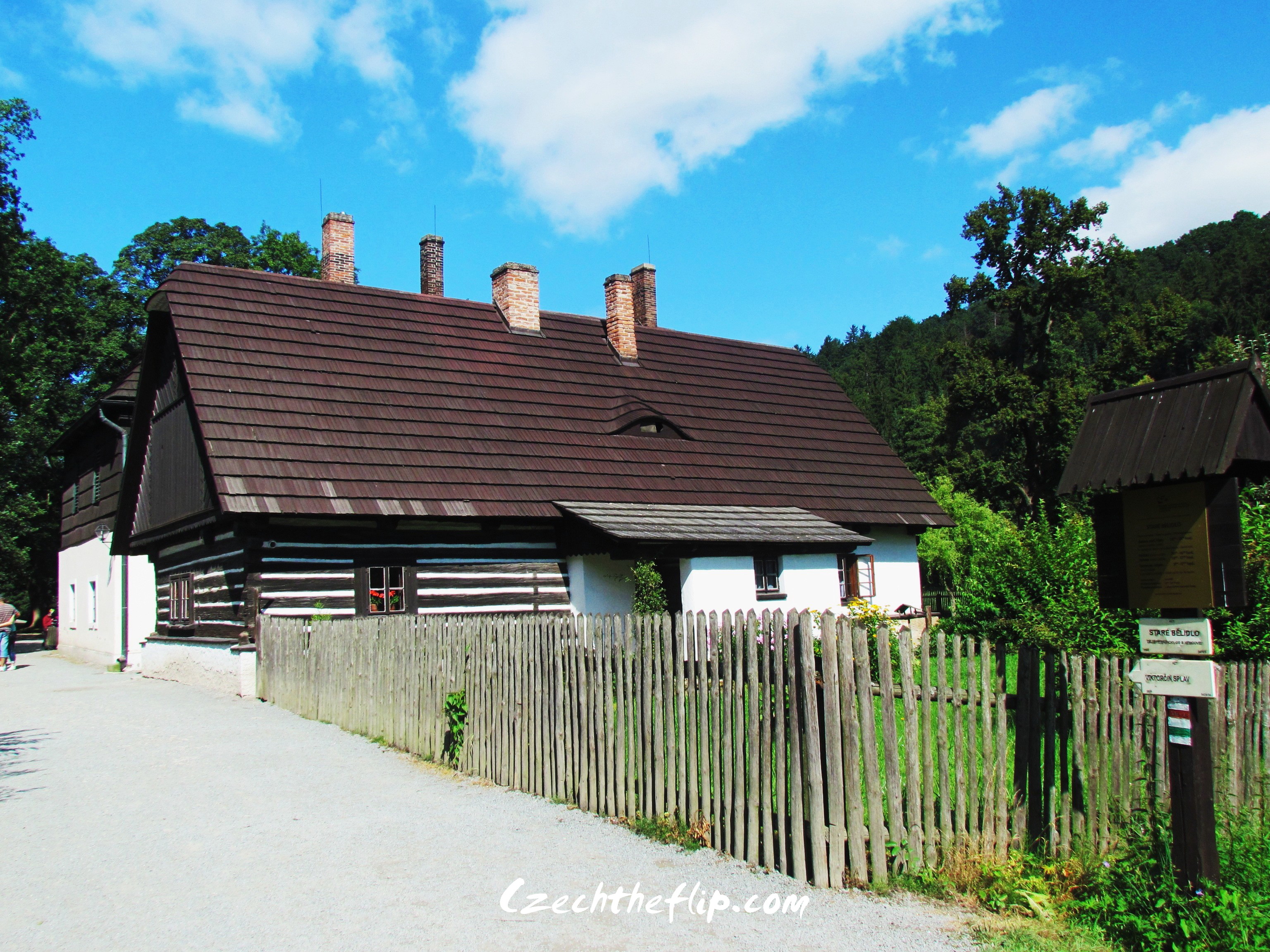
Our first stop was the former cottage of the greatest Czech female writer,  Božena Němcová.  This place is called “Grandma’s Valley,” and is presently an open-air museum.  It was the setting for Nemcova’s famous novel, “Babicka,” (grandmother) which is currently a required reading in Czech schools.

Although I have never read the novel, it was interesting for me to visit the place.

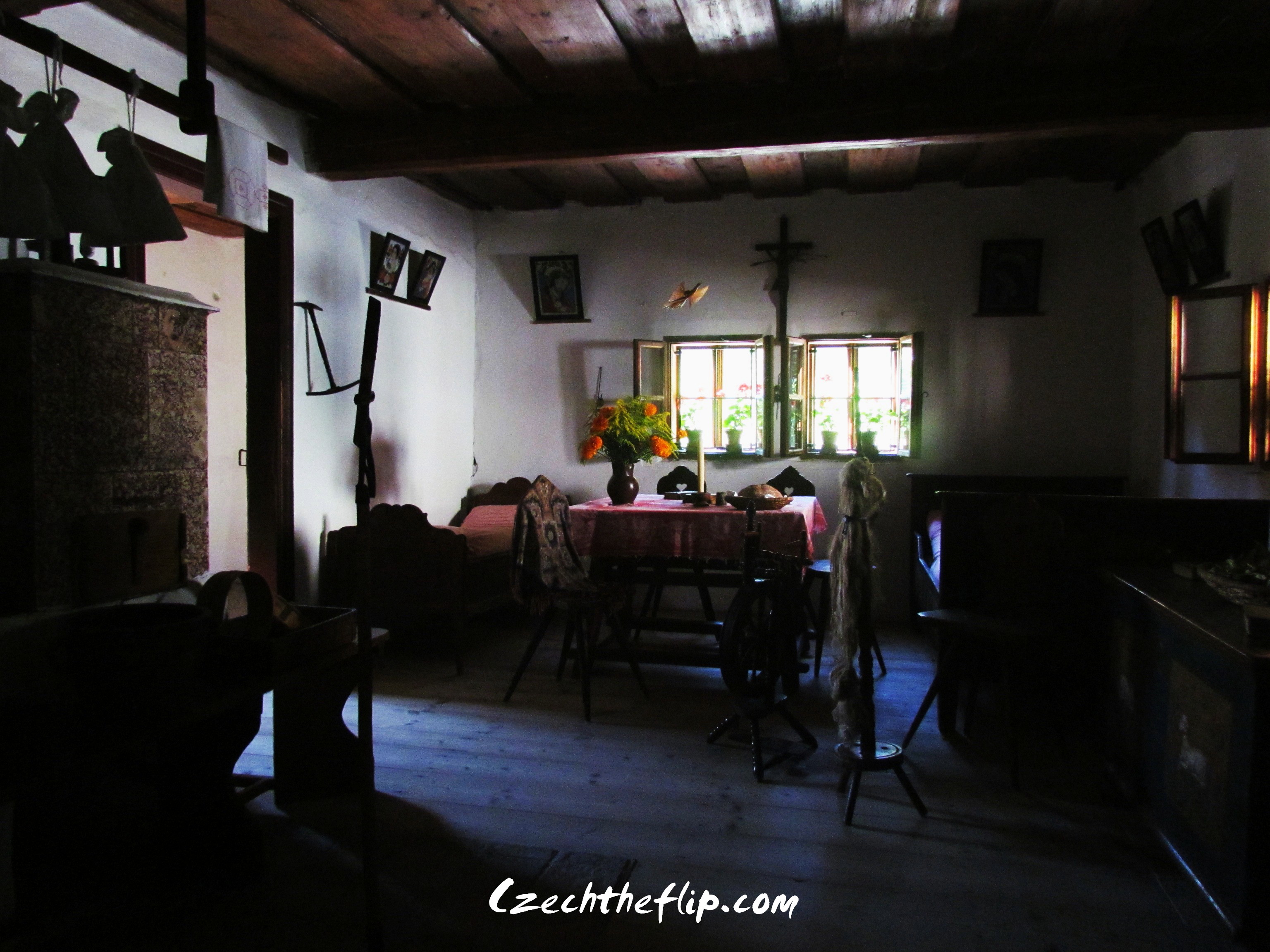
This place used to serve as a multi-functional area:  as a dining room, a bedroom, a living room and a room where her grandmother used to weave cloth.

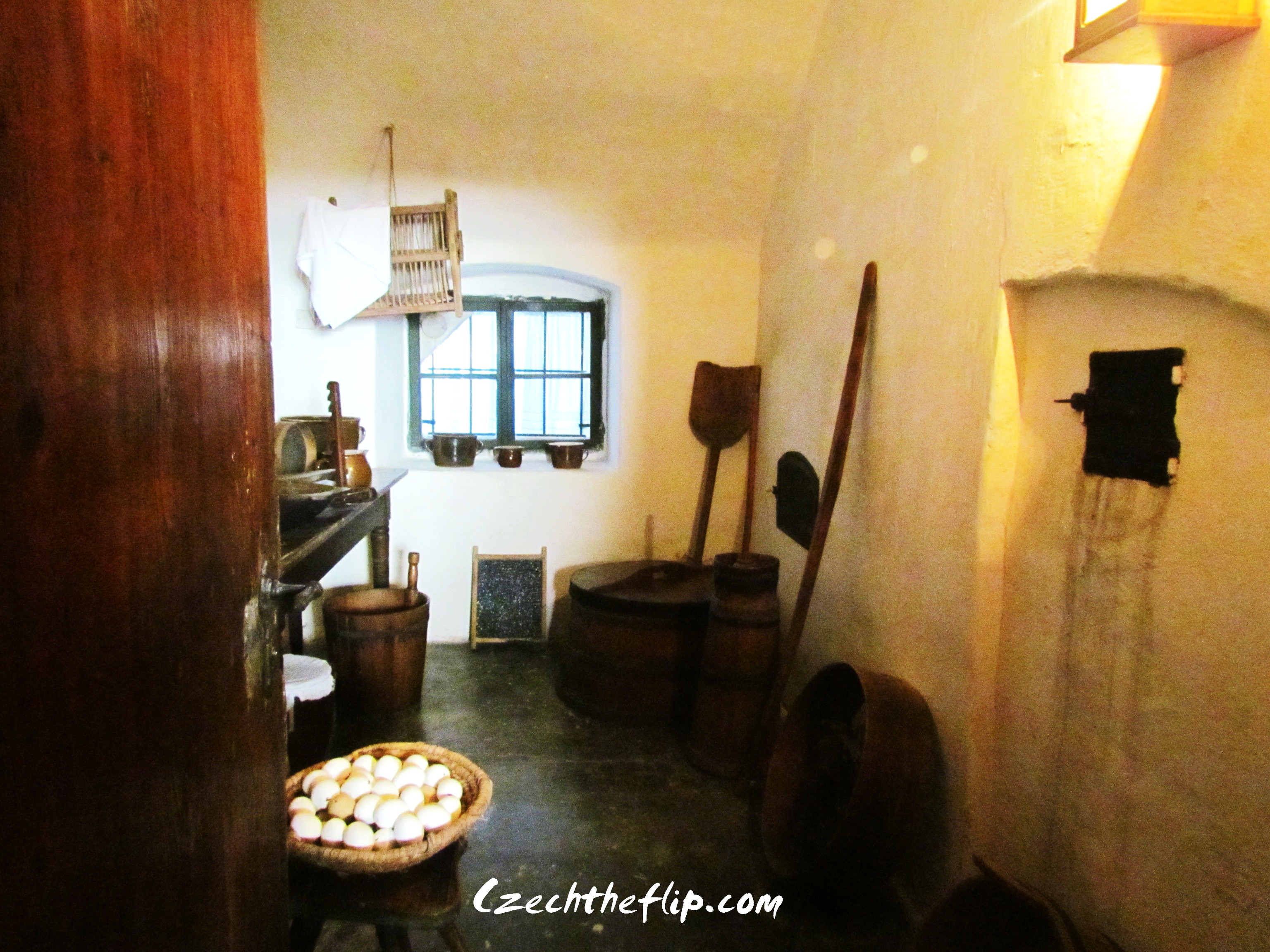
This was their food processing and storage area.

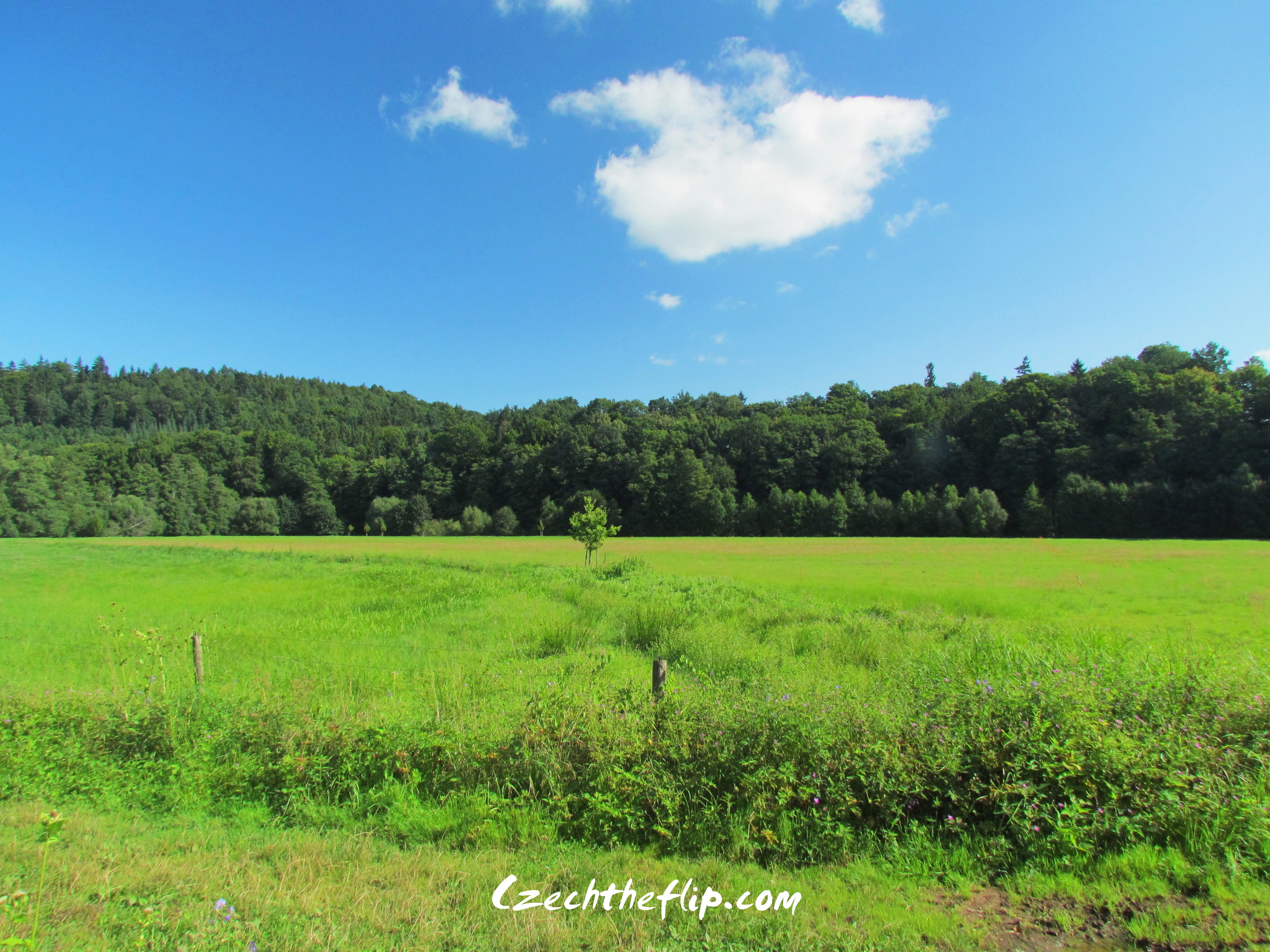
For one who has a creative mind, I wouldn’t wonder why she got so inspired to write her novel.  The valley itself is awe-inspiring.

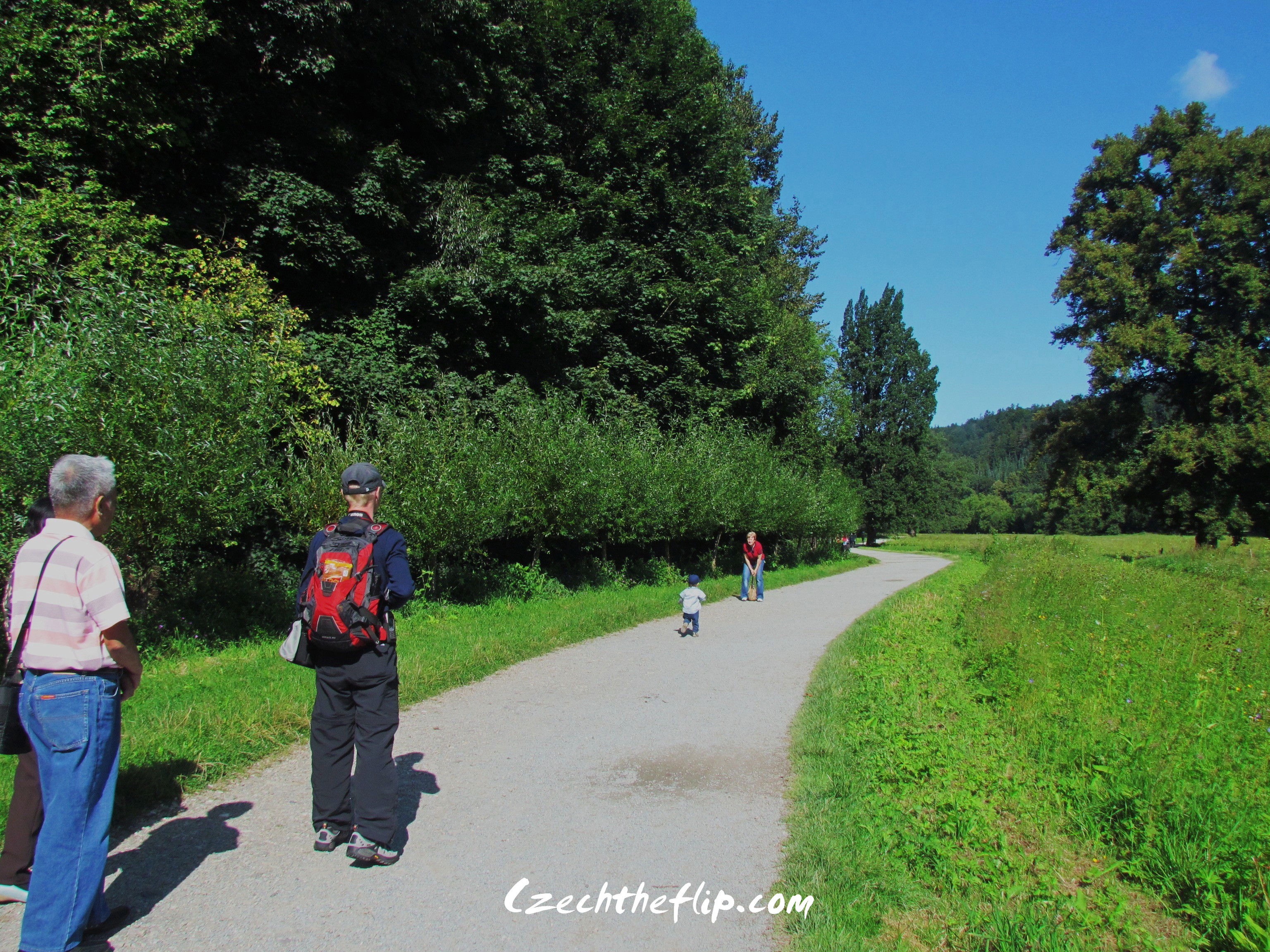
My Jakub had a great time with his own babicka.

As for the adults, we had fun just walking around and enjoying the beauty of this place.

More information about this place can be found here.


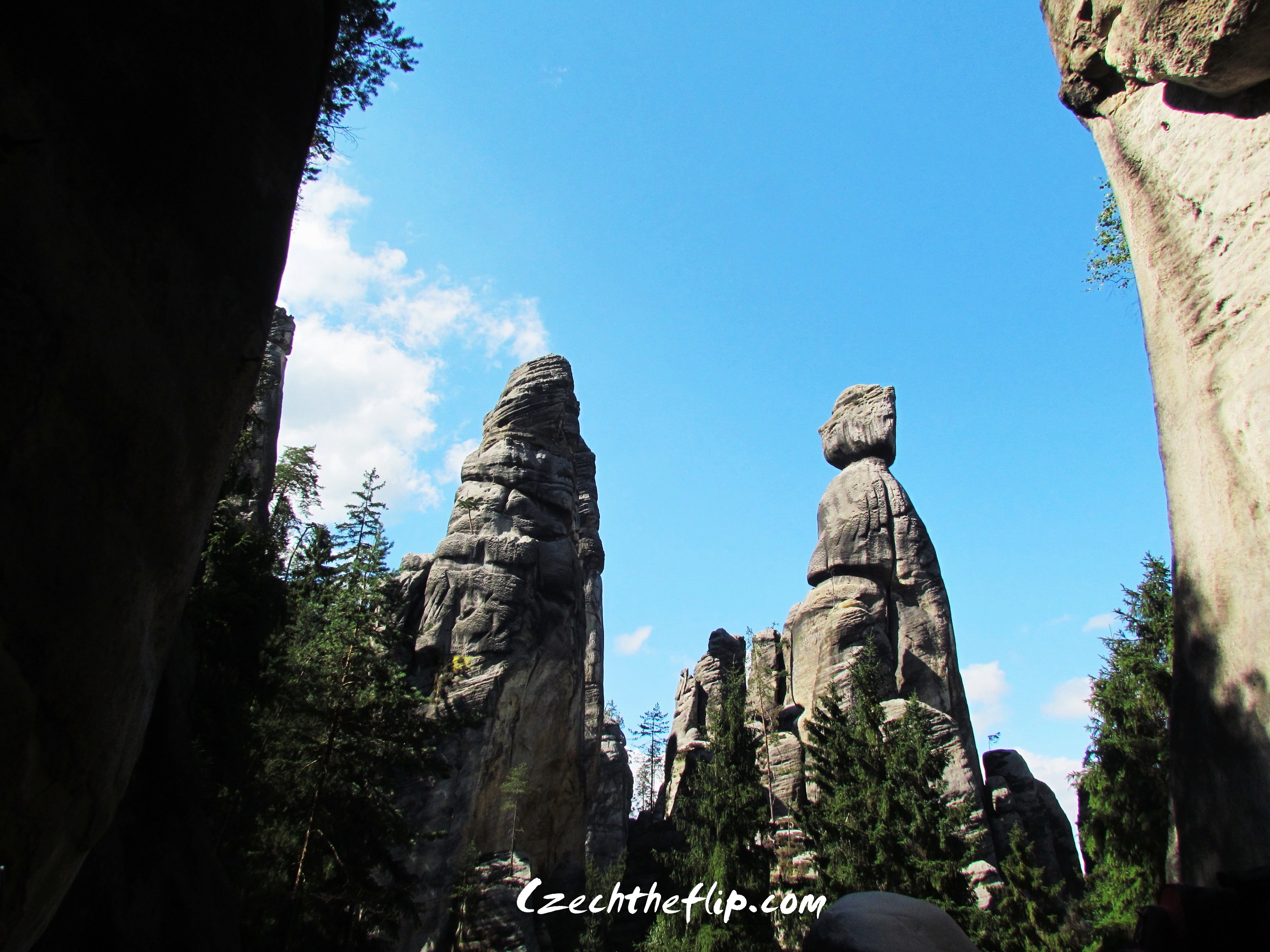
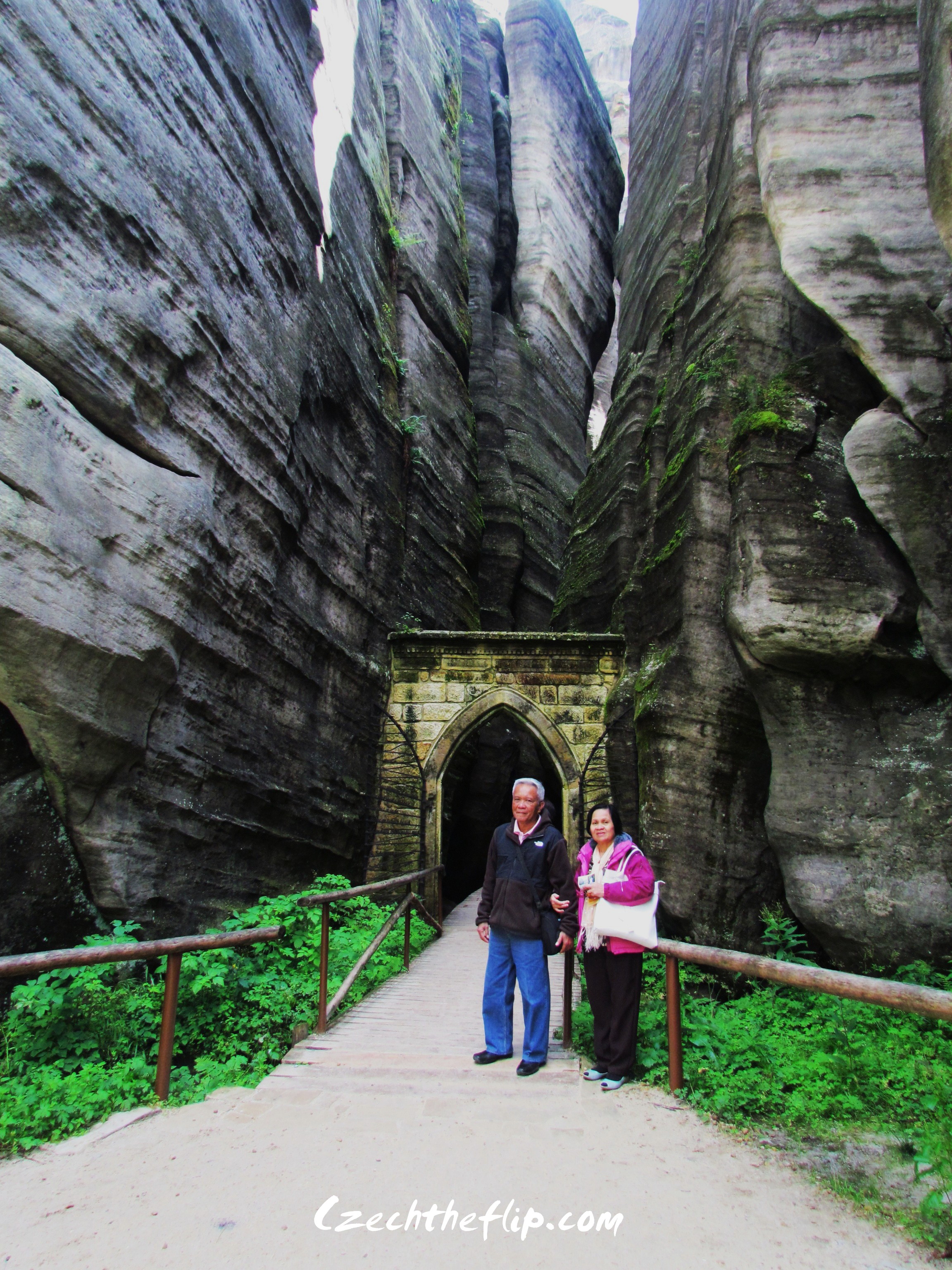
On that same day, we also visited one of our favorite places in Czech – Adršpach.


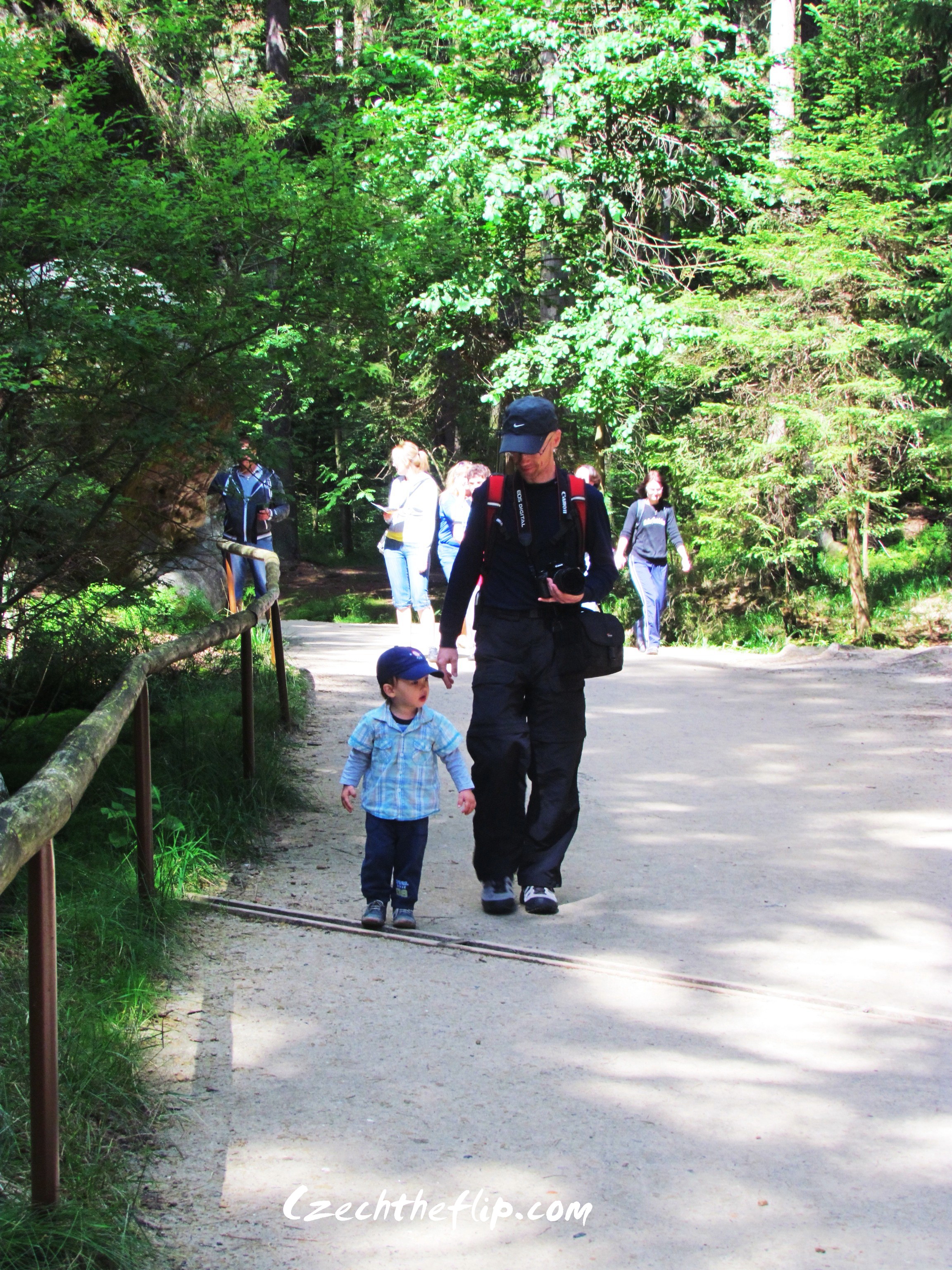
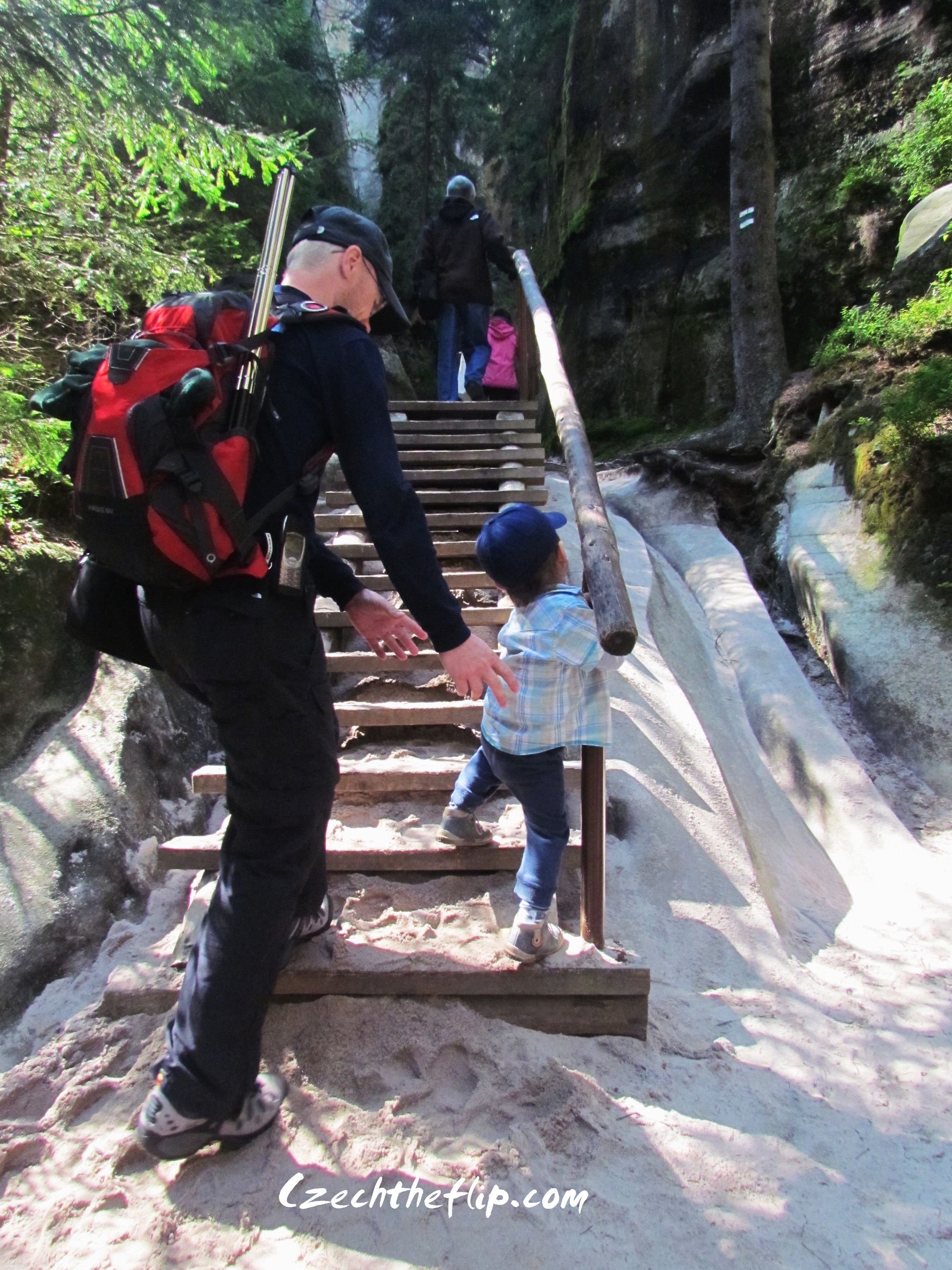
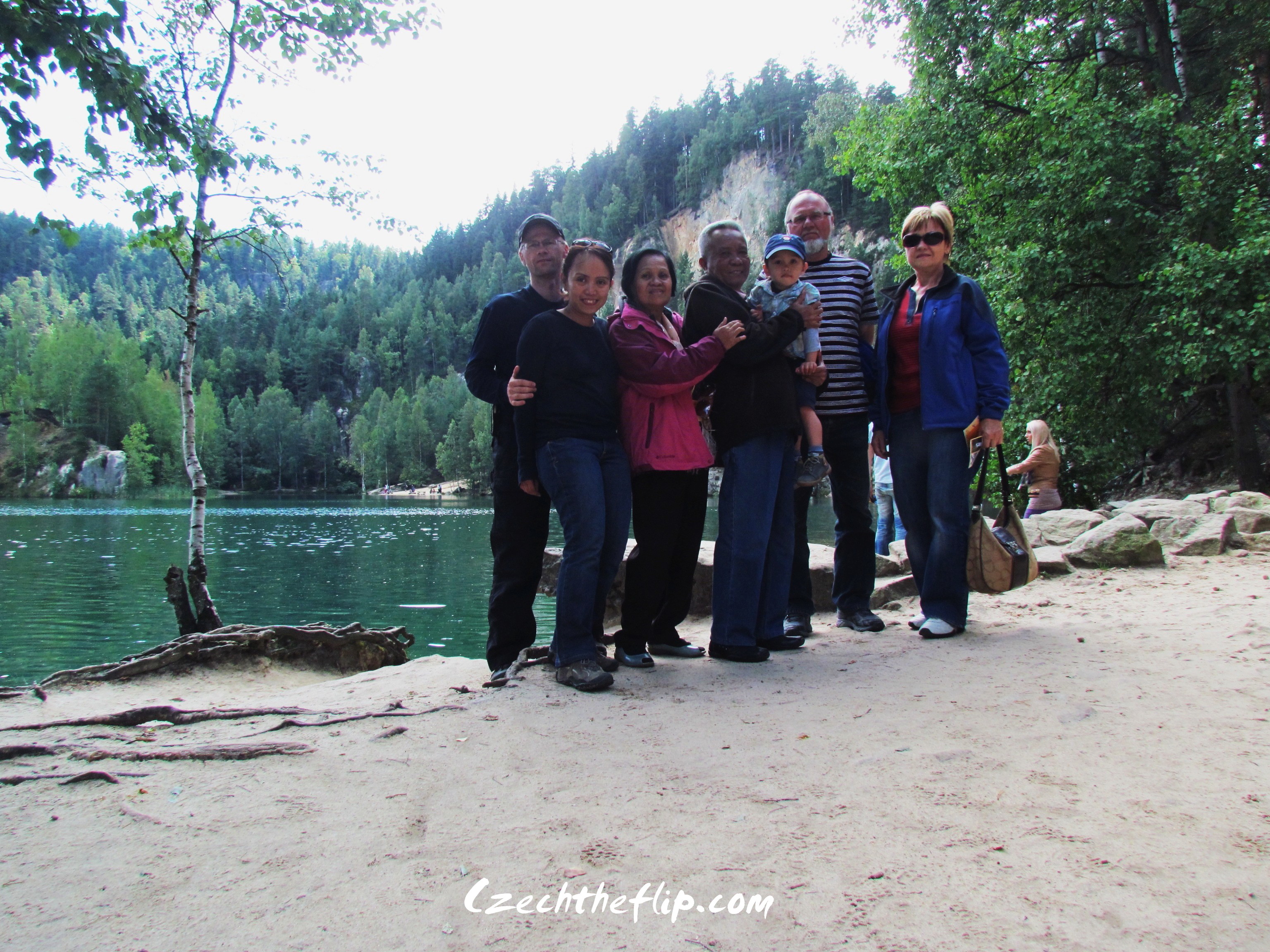
The last time we were there, Jakub was still on a stroller.  This time he bravely walked, climbed and explored the place with us.

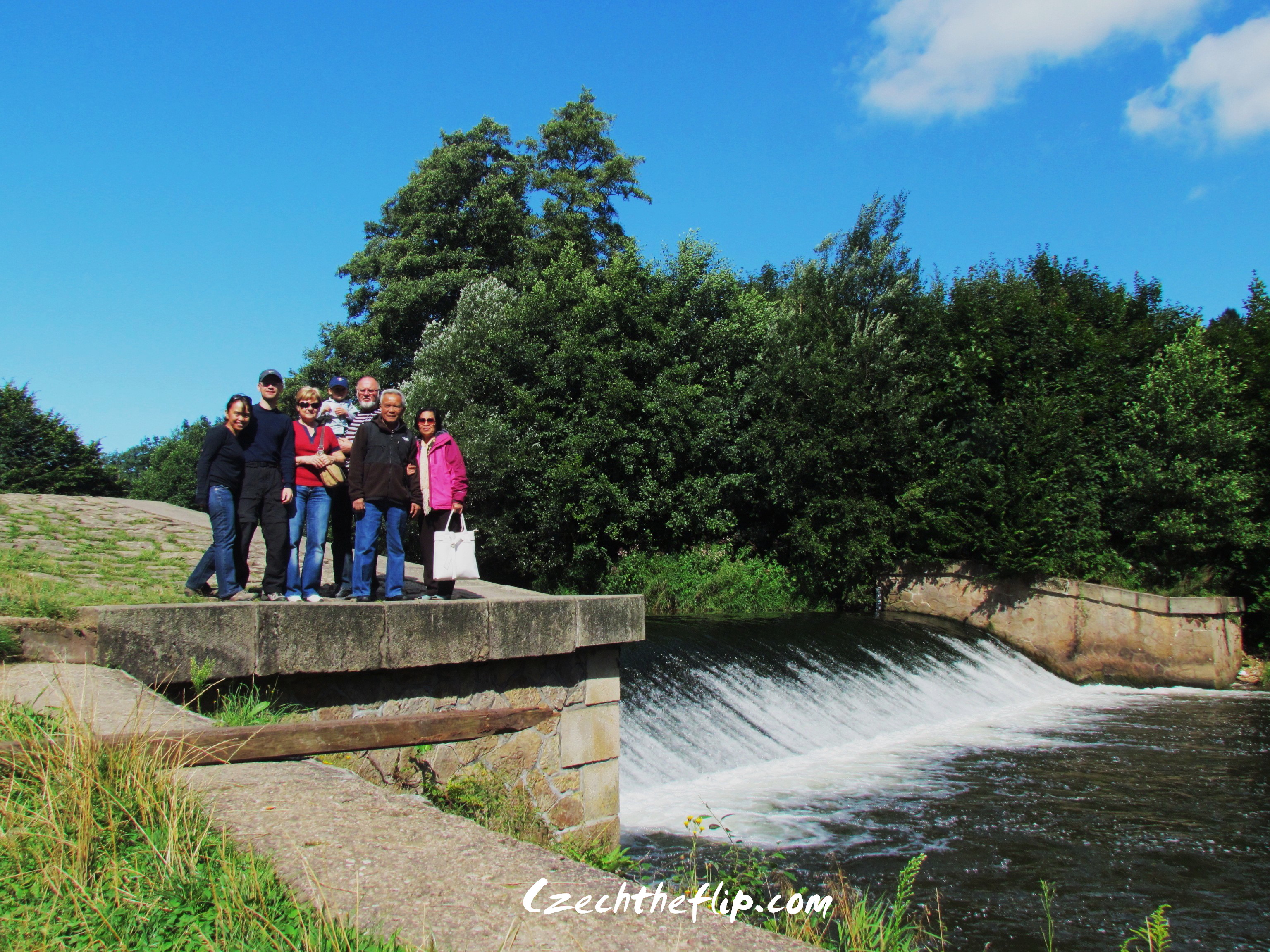
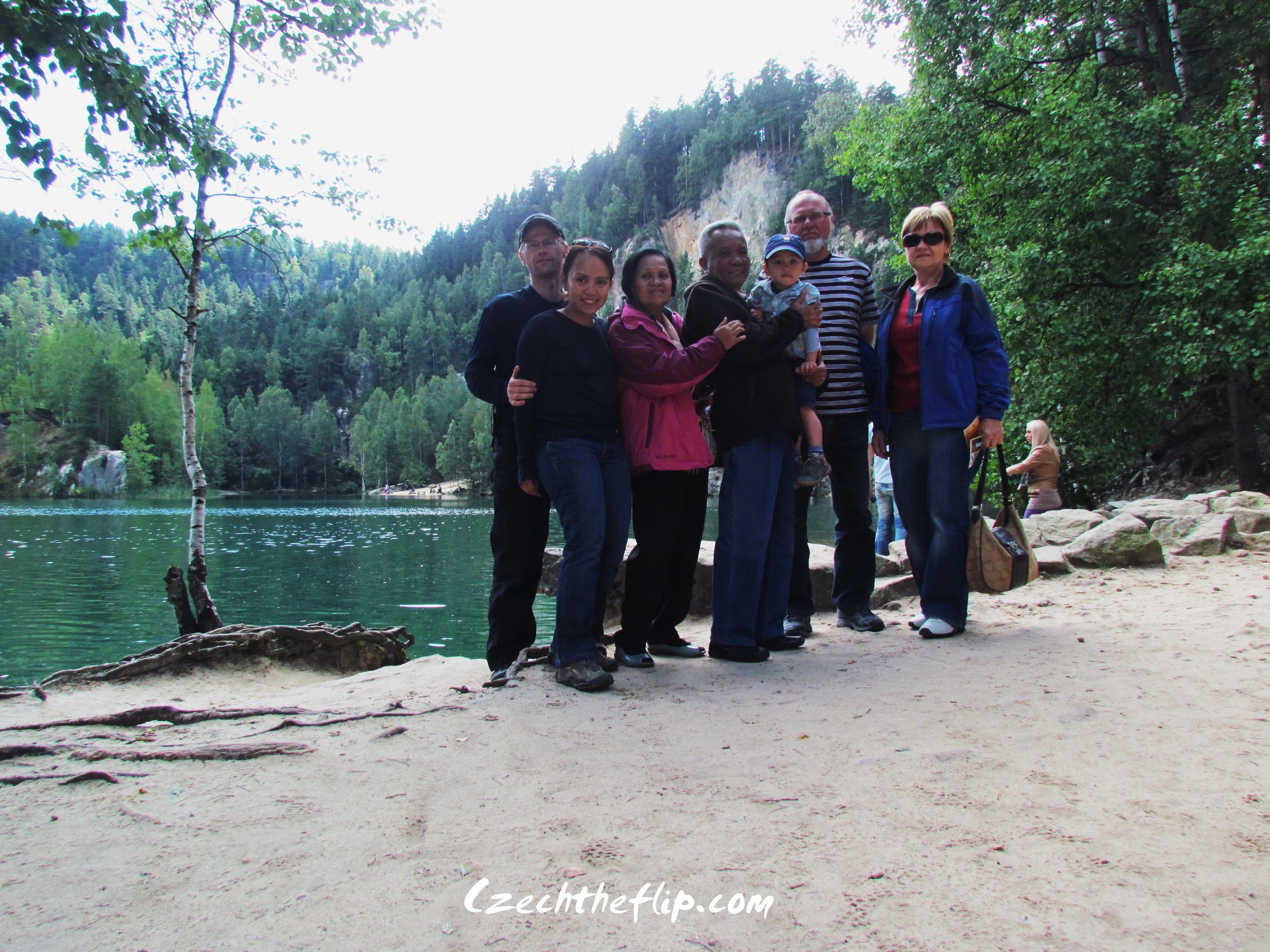
My husband and I  were also very fortunate to have had this chance to travel with both our parents.    Although it was a long hike, they enjoyed it as much as we did.

During your next visit to the Czech Republic, this place is definitely one spot you shouldn’t miss.

More information about this can be found here.

Destination: Konopiště Castle

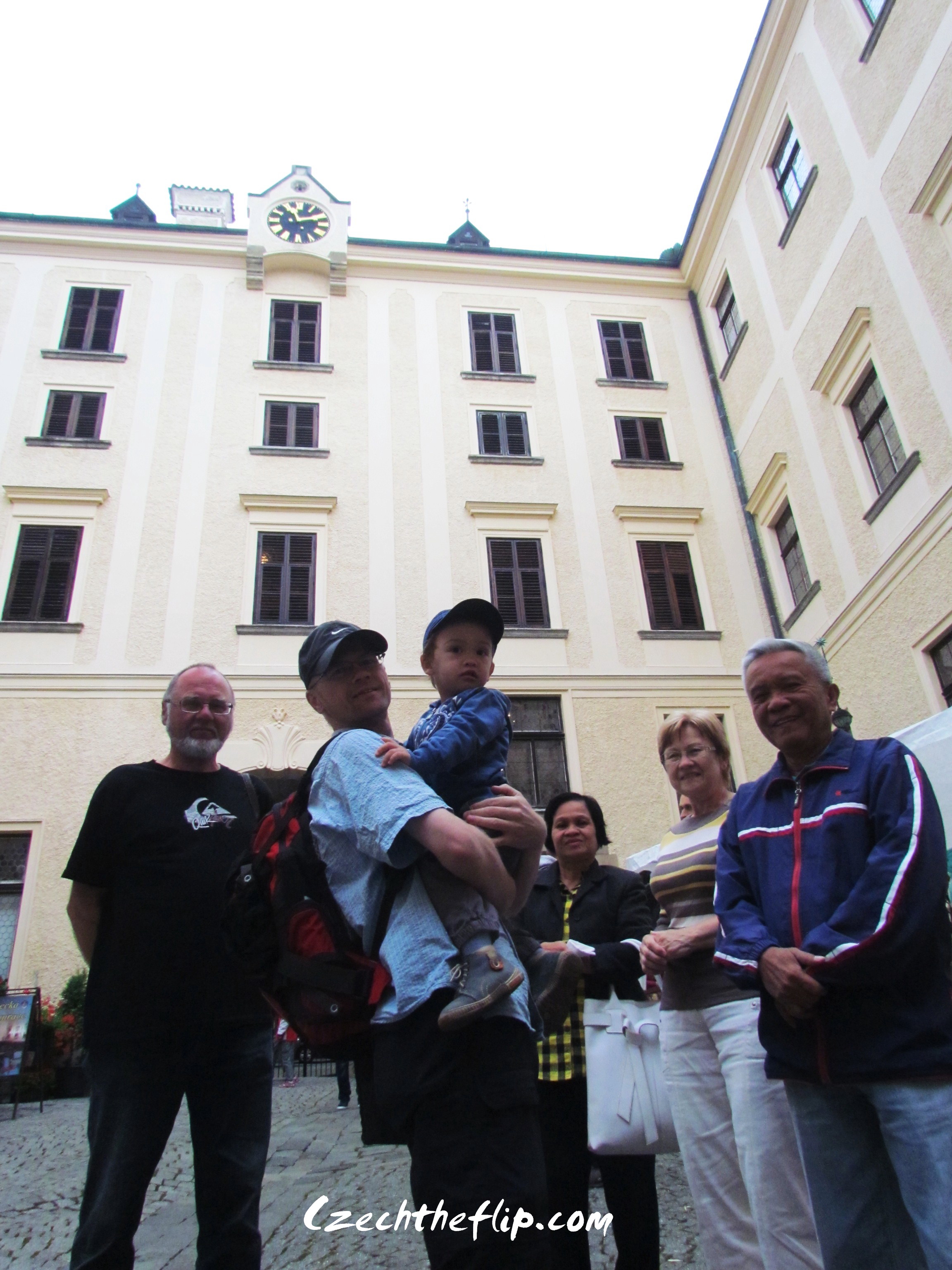
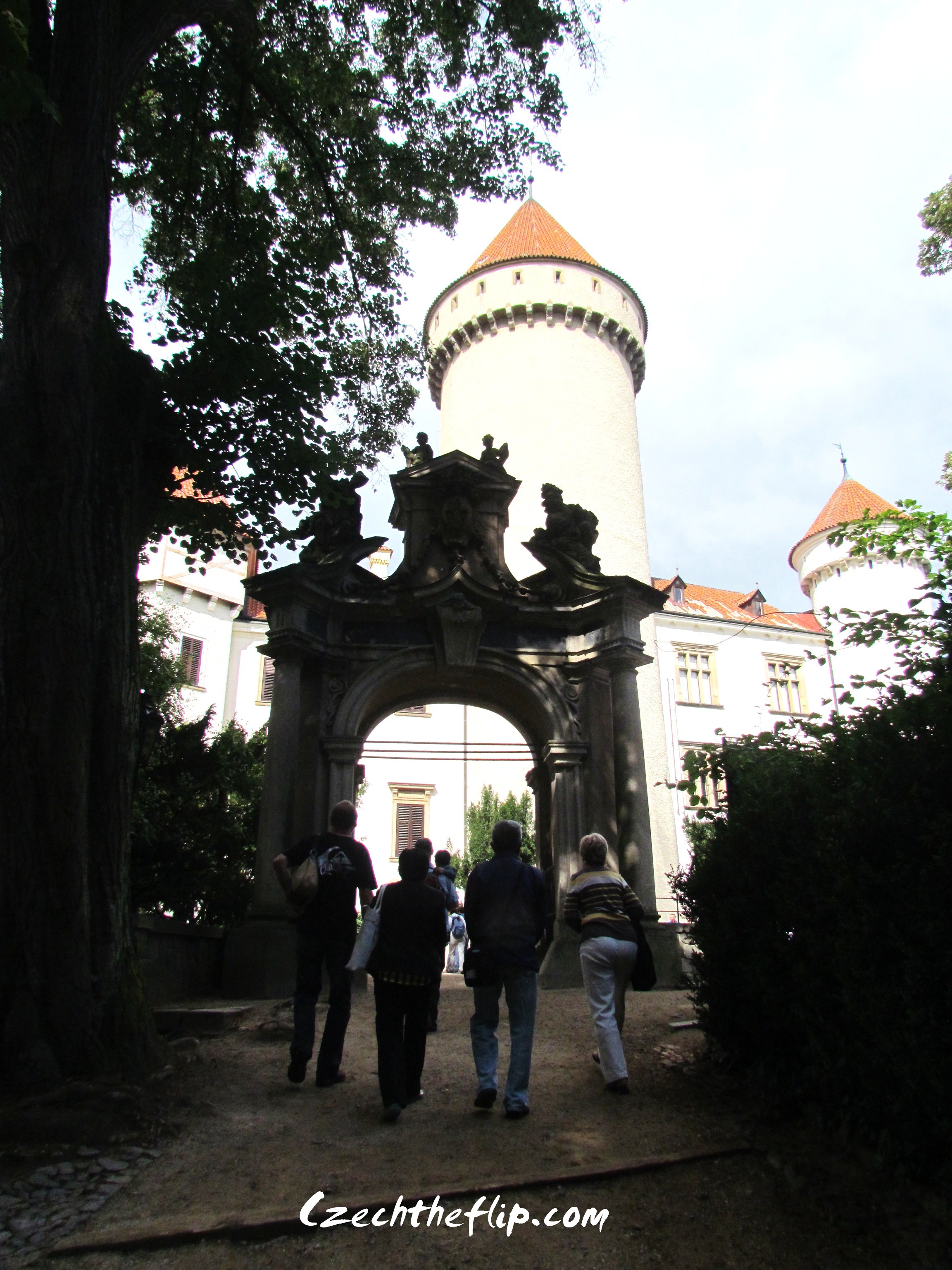
One of the most beautiful castles in the Czech Republic is the  Konopiště Castle.

Situated close to the the town of Benesov,  its original purpose was as a gothic fortress for the people of Benesov.

Its most important owner was Archduke Frantisek (Franz) Ferdinand d’Este, whose killing in Sarajevo in 1941 initiated the first World War.

In it can be found a baroque rose garden and luxurious baroque style interiors.  It is also fully decorated with Franz Ferdinand’s hunting trophies.

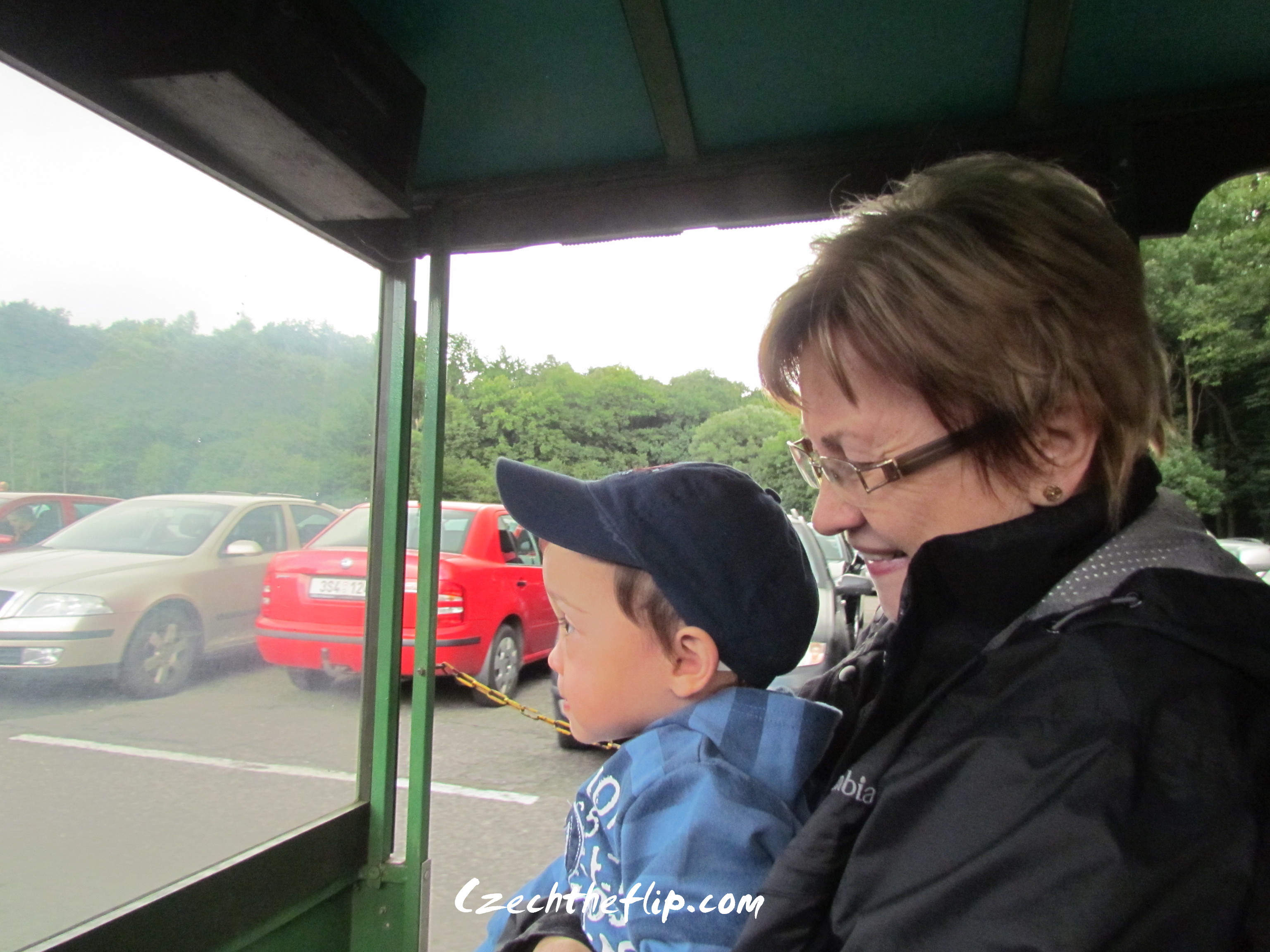
There are trams in the parking lot that can take you to the entrance of the castle for a minimal fee.

Jakub had a great time riding in it.

There is also a souvenir shop with lots of kids’ toys that little kids or the kid in you will surely love.

All tours are guided, and are offered in both Czech and English.   Other languages are also available with the use of an electronic translator.

It took us an hour to get to our final destination, but the sight that awaited us was so worth it.

More information about the castle can be found here.

Destination: Karlstejn Castle and Czech America

Although the Czech Republic is a small country, they have a lot of things to see.

My dear readers, I apologize for the irregular updates.  Our schedule has been packed these past few days and I literally didn’t have time to open my computer.

Anyhow, the next leg of our tour took us to the Karlstejn Castle and Czech America.

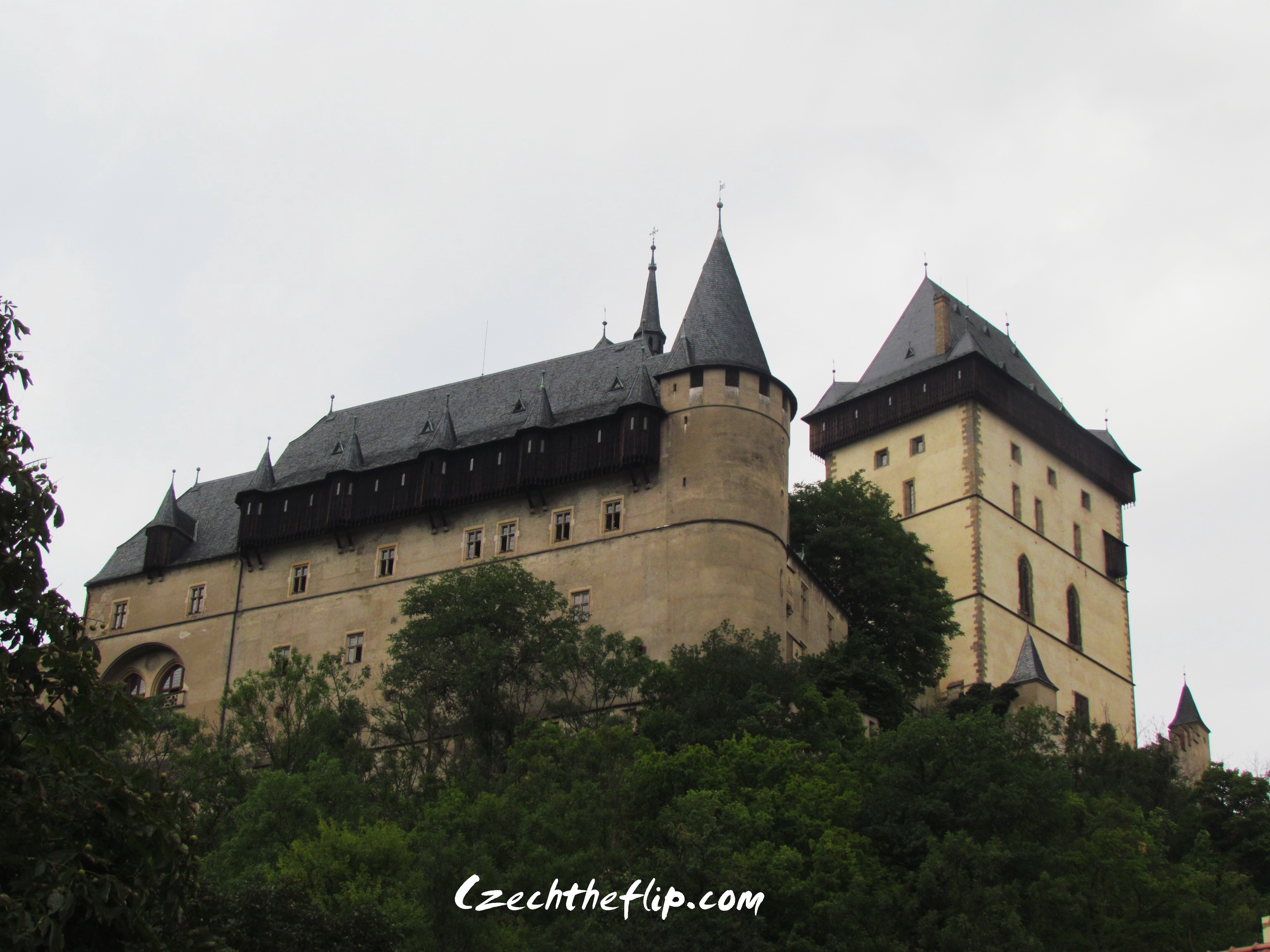
Karlstejn Castle is a castle that was built by the Charles IV to protect the crown jewels of the Bohemian kingdom.  Like any other castle it is situated in a steep hill which made invasion difficult for all its unwanted intruders.

Taking pictures inside the castle was prohibited so I can only show you an aerial view of the castle.

However, the things to be seen and explored inside the castle makes up for the steep climb.  All tours are guided and can be availed in both Czech or English.

Aside from its amazing architecture, what was interesting for me were the relics that were supposedly hidden inside the castle.  In one of its chapel walls, a relic from the cross where Jesus was crucified was believed to have been imbedded in there.  If you are into architecture, European history and religion, this is definitely a must for you.  More information about the castle can be found here.

Another great spot to visit as a side trip to Karlstejn is Czech America.

This place is called Czech America because it resembles an American canyon.  During the summertime, you can find locals taking a dip in its pristine waters.  Although it may look natural, this place is actually a side product of quarrying.  It is not commonly found in tourist books since it hasn’t been officially developed as a major tourist site.  But for the inquisitive and adventurous travellers, this is one place worth checking out.  More information about this place can be found here.

Have a great weekend!

Destination: Kutná Hora

If you have ever been on a group tour to Prague, you must’ve visited Kutná Hora.

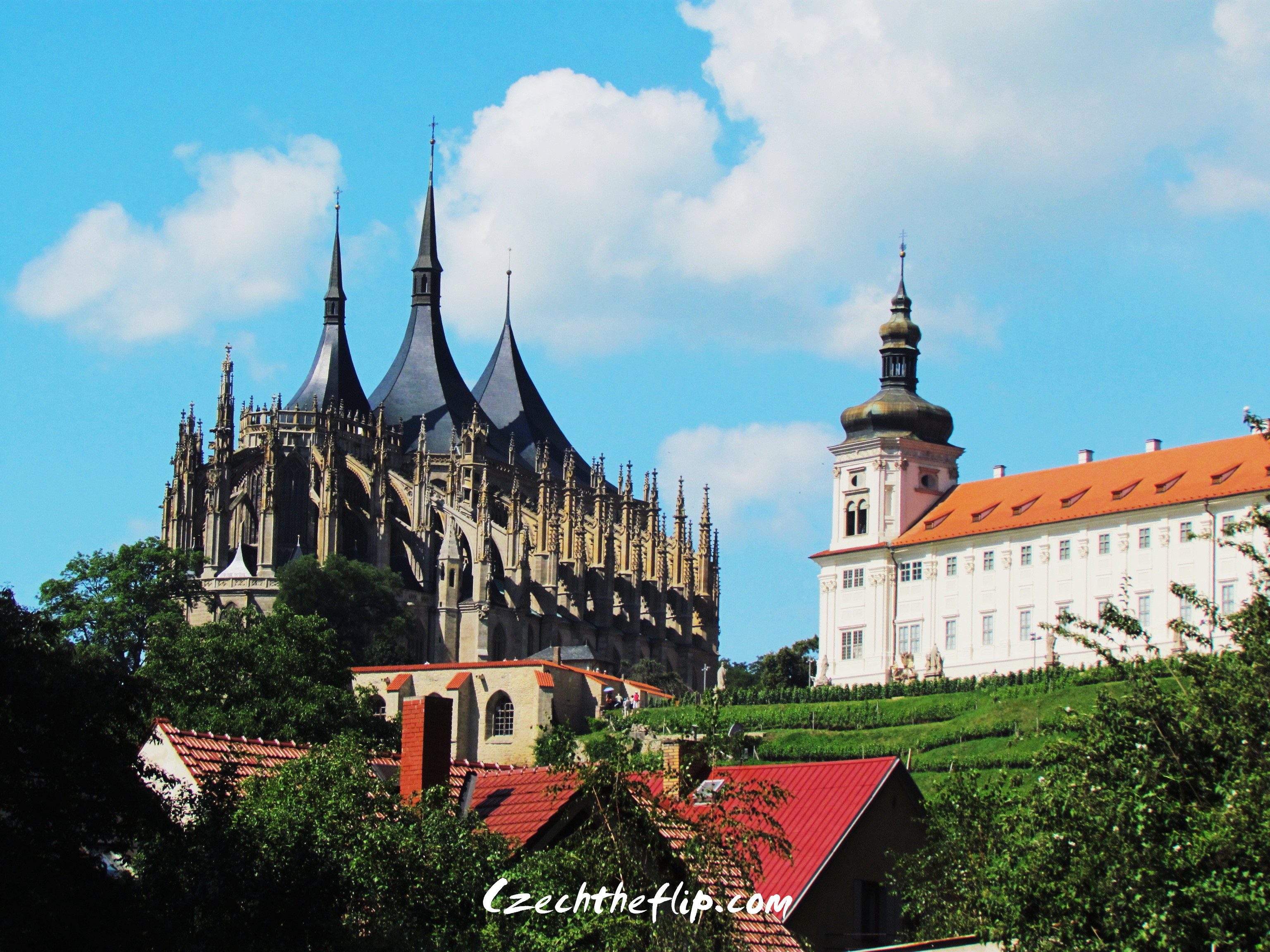
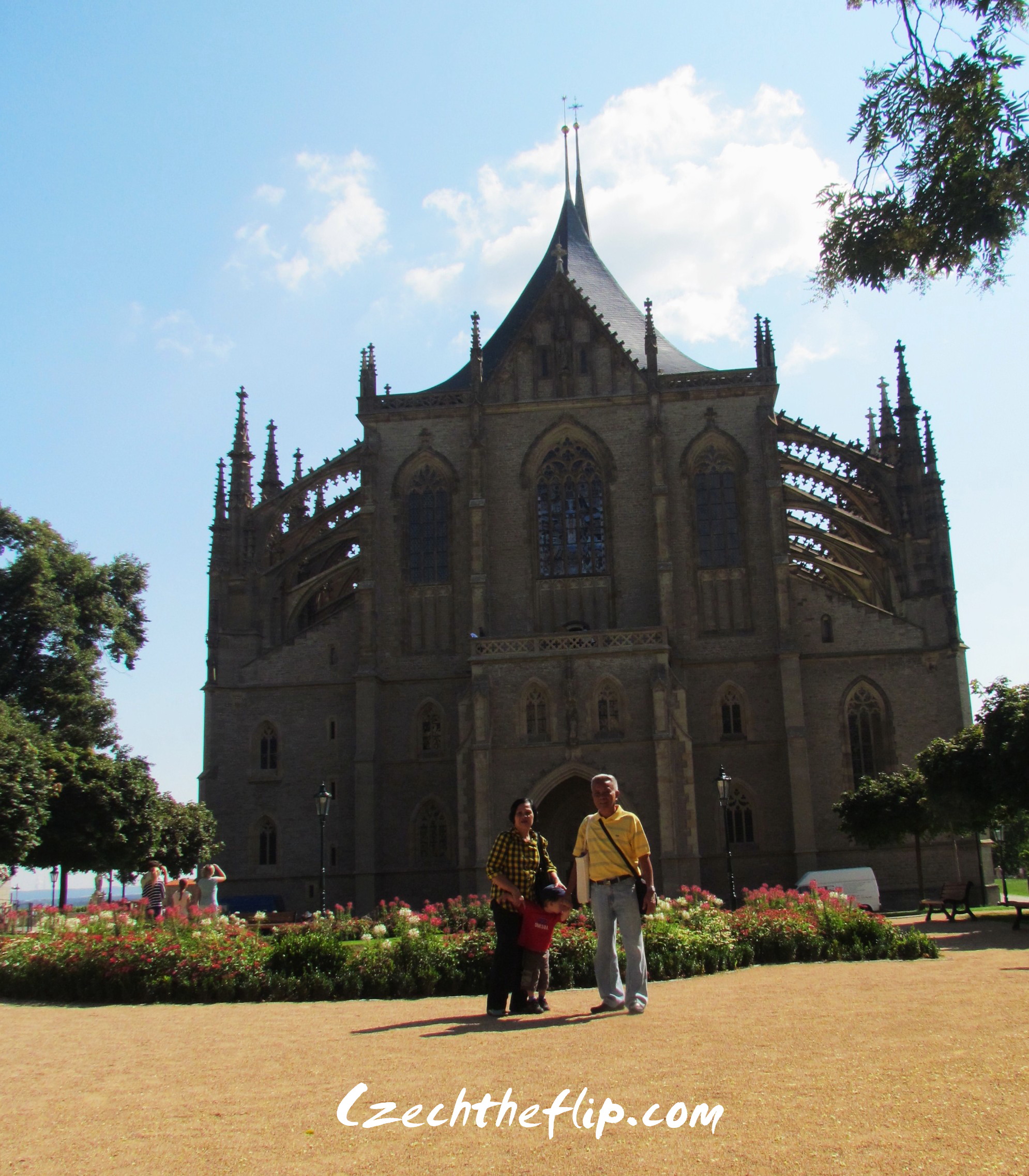
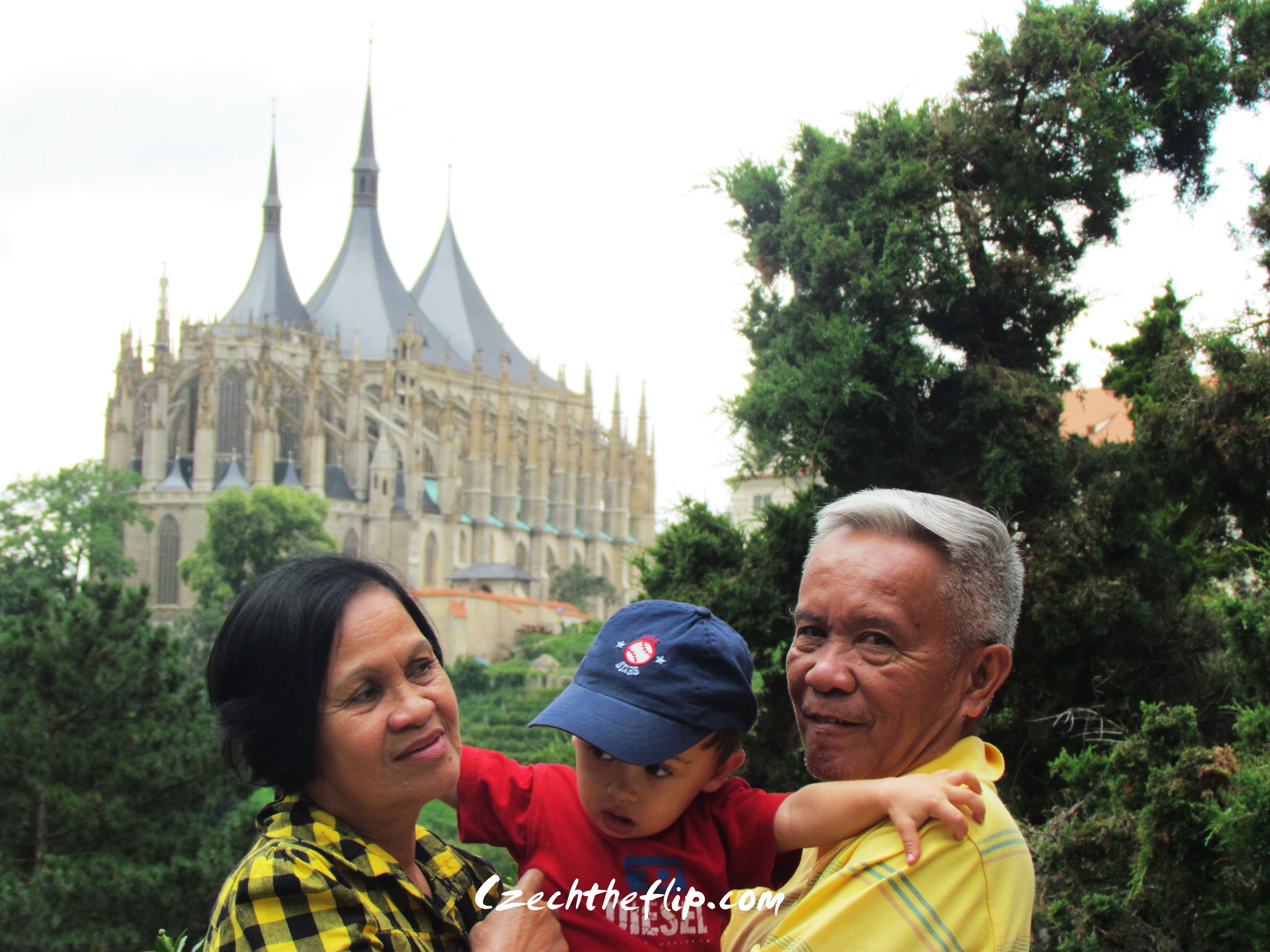
Kutná Hora is one of the most visited sites in the Czech Republic.  In it stands the famous St. Barbara Church, with its distinct gothic structure.

Front view of St. Barbara Church

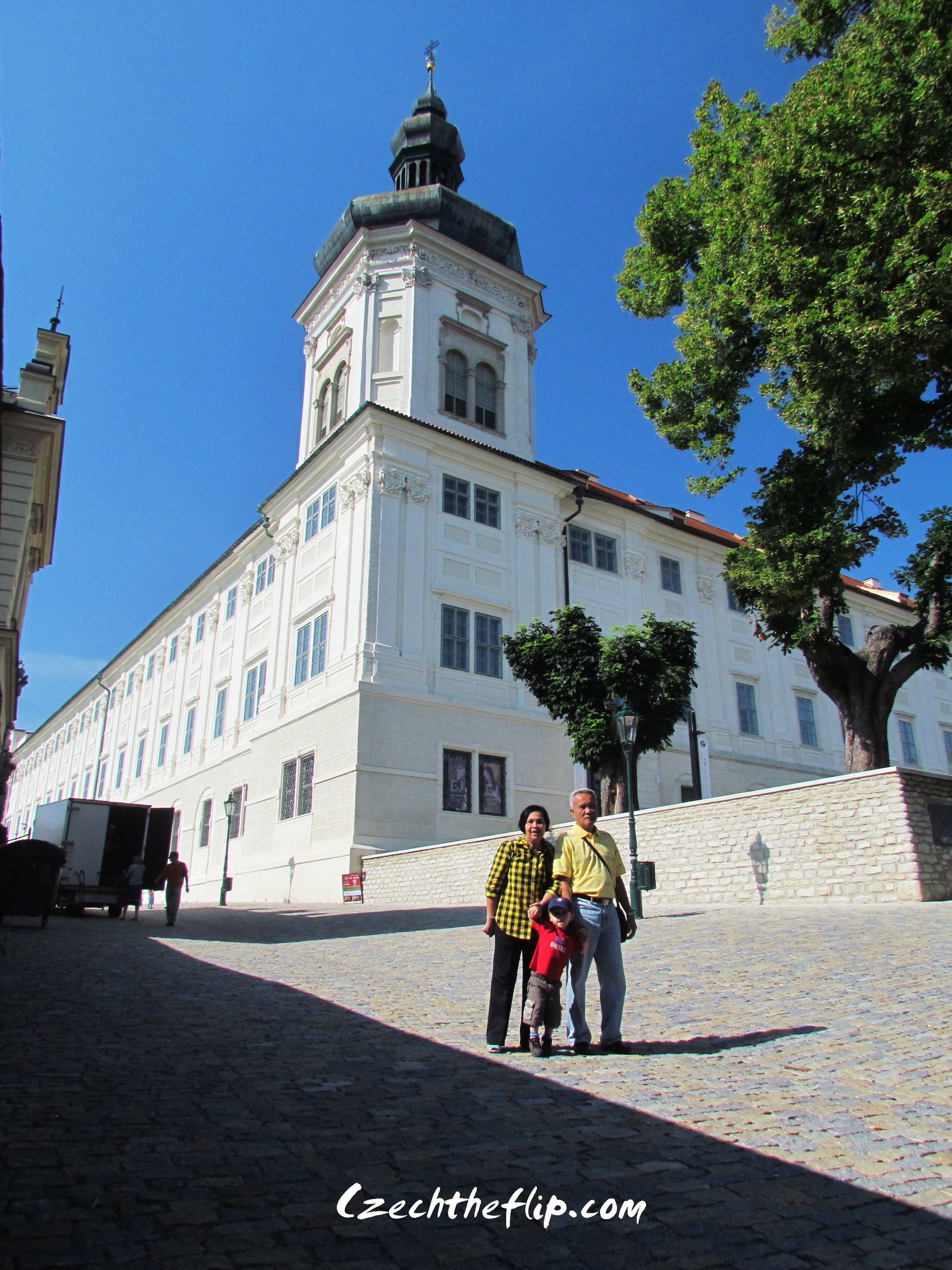
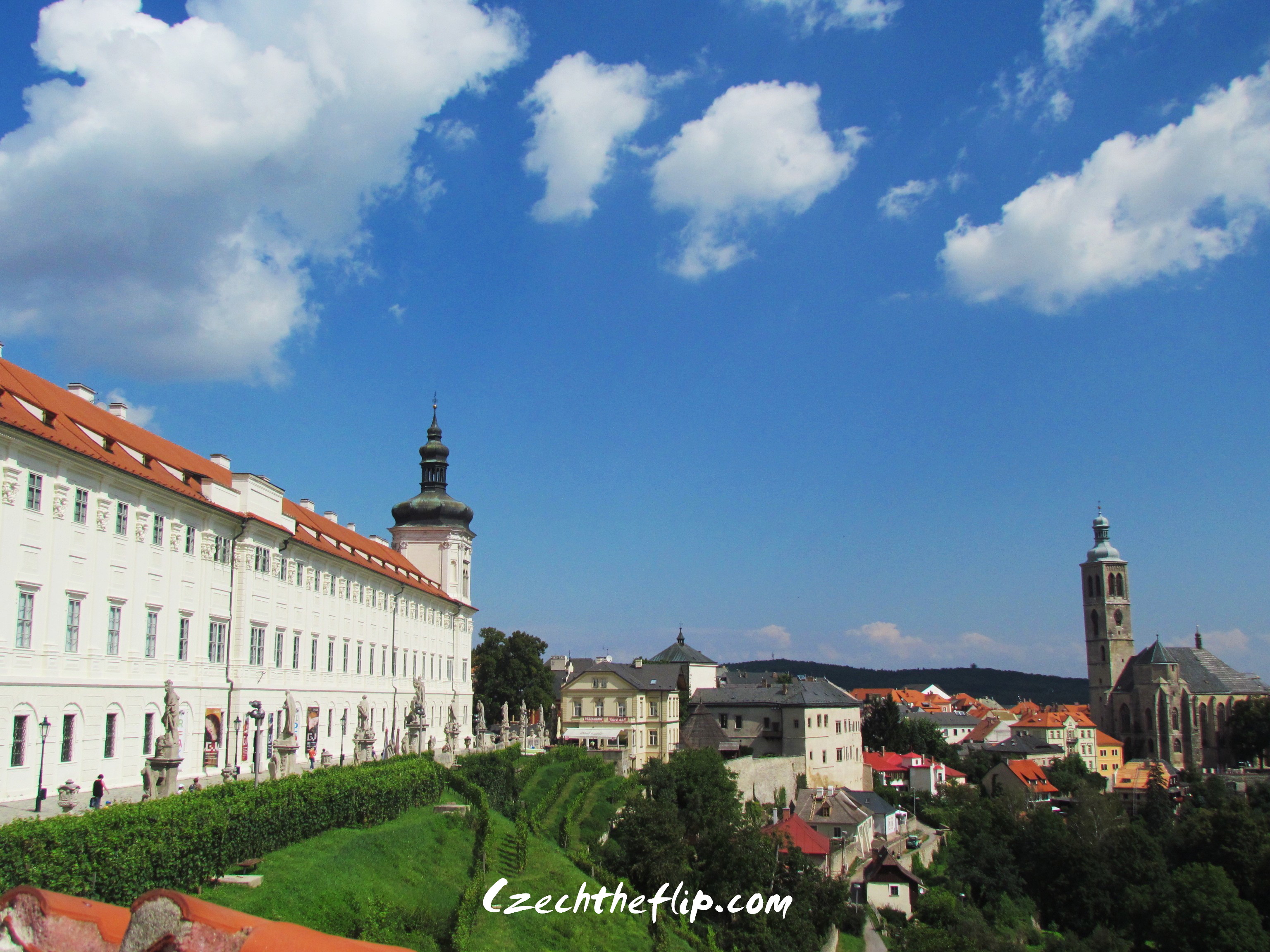
Adjacent to the church, you will also find the Jesuit University.  This university houses different types of art exhibits, showcasing Czech artists and a few other artists in Europe.

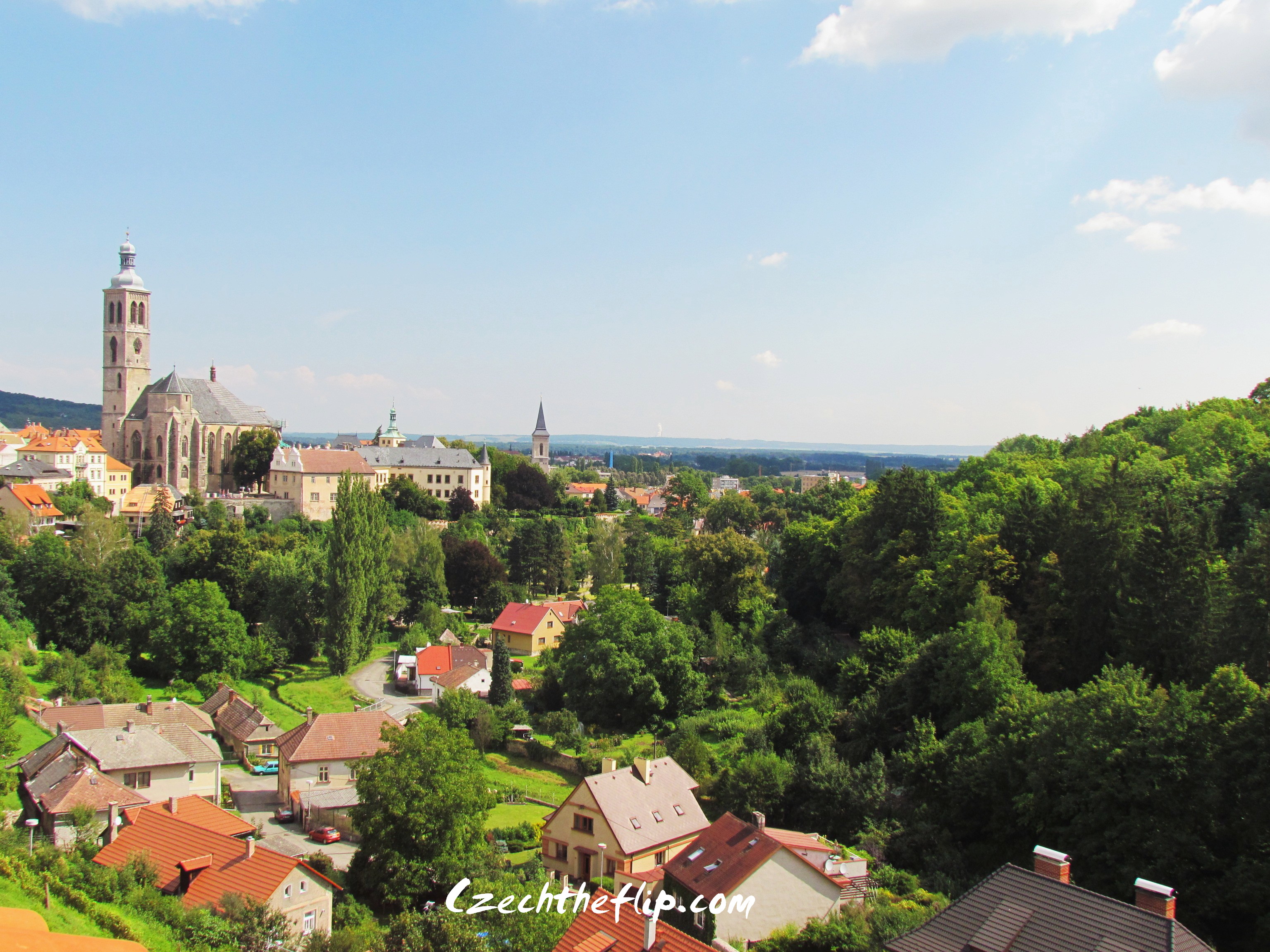
At the side of the church, there is a viewpoint that provides breath-taking views of the town.

A visit to Kutna Hora is not complete without walking its cobbled streets…..

A visit to the Italian Court, the former King of Bohemia’s weekend house, is not to be missed.

For an amazing view of the St. Barbara Church as a background to your pictures, there is a viewpoint in the adjoining park.

For more information about Kutná Hora, please visit this site.
A Trip to Terezin and Litoměřice

It had been a very busy week for us.  This past weekend, my parents arrived from the Philippines.  Since their arrival,  I found myself caught up with household work and travelling.

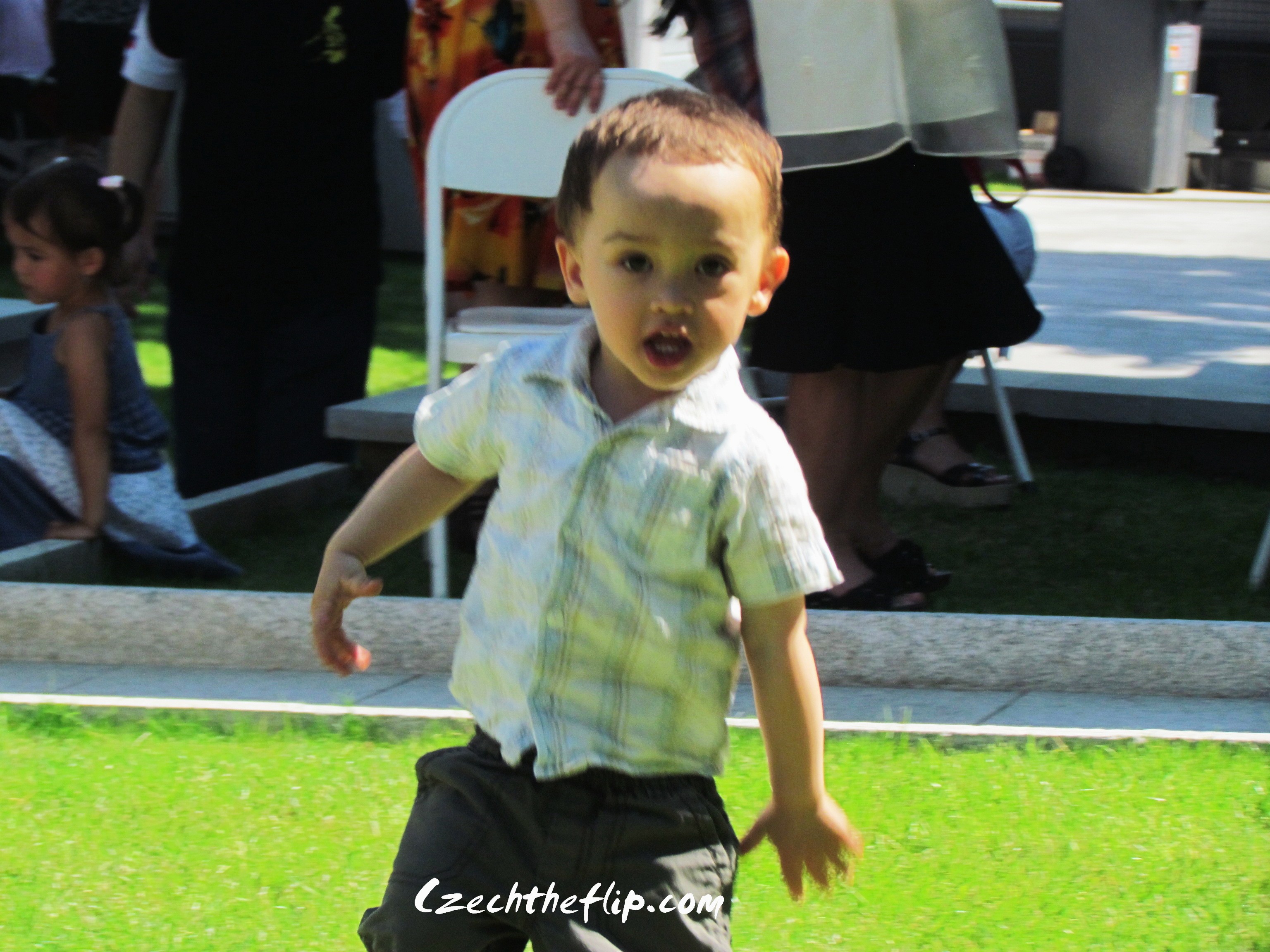
Despite meeting them personally for the first time, Jakub immediately became comfortable with his grandparents.

My parents’ first 2 days in Kolin were spent resting and readjusting their body clocks.

We only started our first out of town trip yesterday.  Our first stop:  The Terezin Memorial in the village of Terezin.

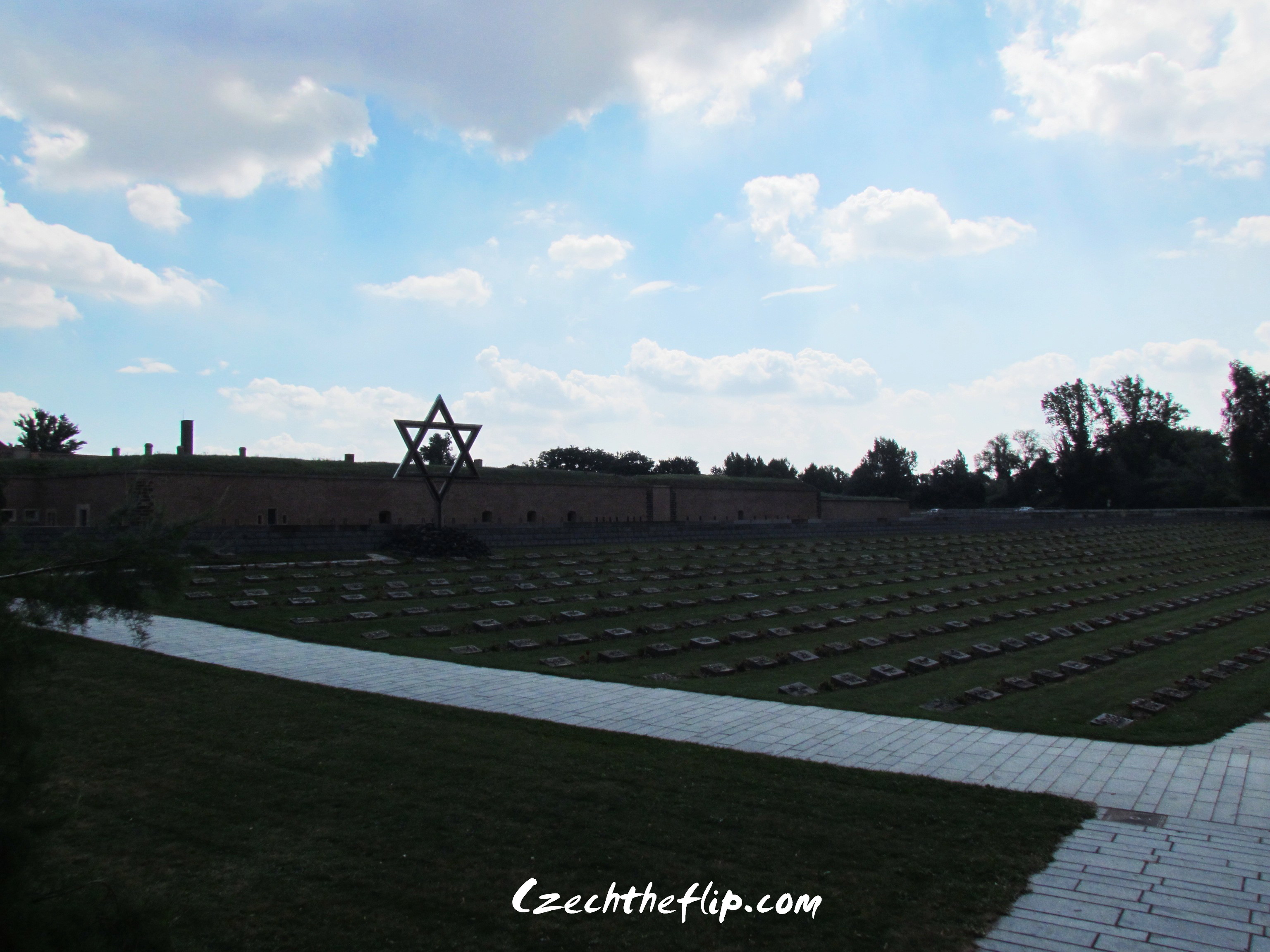
Terezin is a former garrison town which was later on turned into a concentration camp by the Nazis.  We visited the Small Fortress with a private tour from a friend, Ms. Rosa Machackova, who is a tour guide in the memorial.

Growing up in Asia, I was not familiar with the names and places of the Nazi concentration camps.  Back then, Europe seemed so far away and I was not very interested in European history.  I remember learning about the Jewish concentration camps only through books and movies.  When I moved to the US, this knowledge did not change.

The visit to Terezin afforded me a whole new experience in viewing the Holocaust.

Walking through the path where those murdered Jews have tread gave me an eerie feeling.

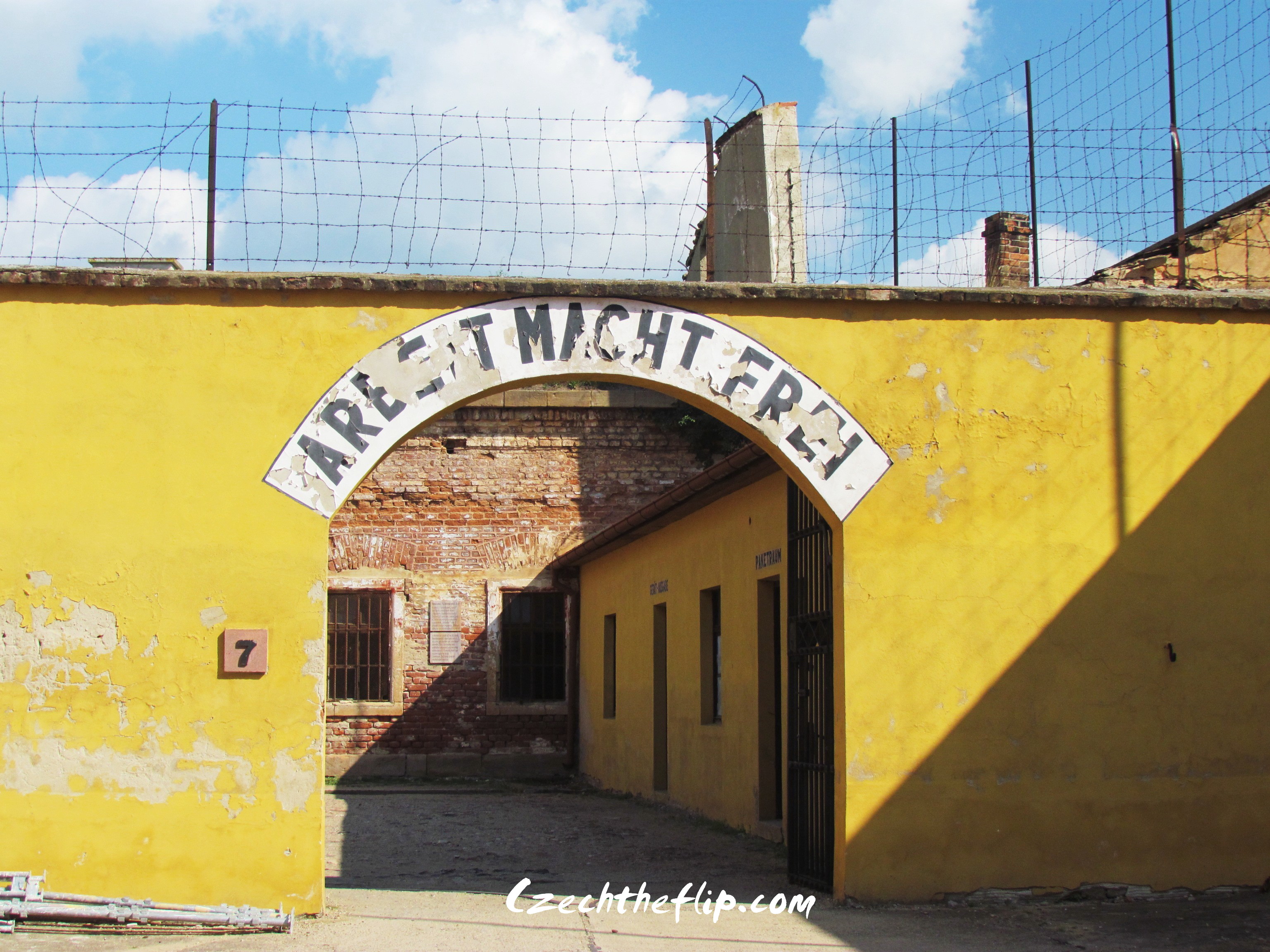
In the main entrance, the inscriptions “Work Frees” (translated from German) is written on top of the gate.

This quarter over here used to house close to a hundred Jews.  It only had one bathroom and one heater.  Imagine living in such small space.

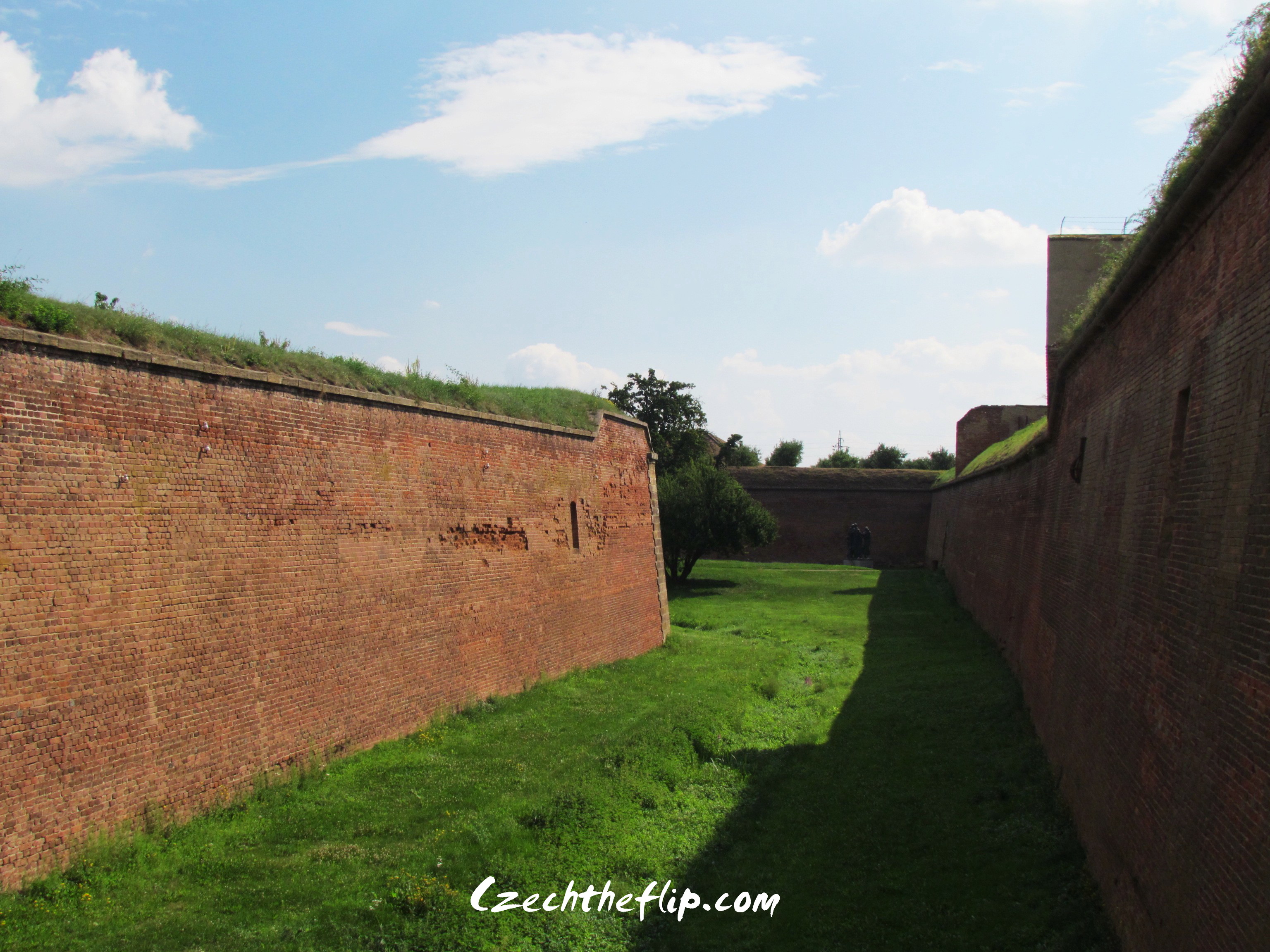
Being a fortress, escape was almost impossible in this place.

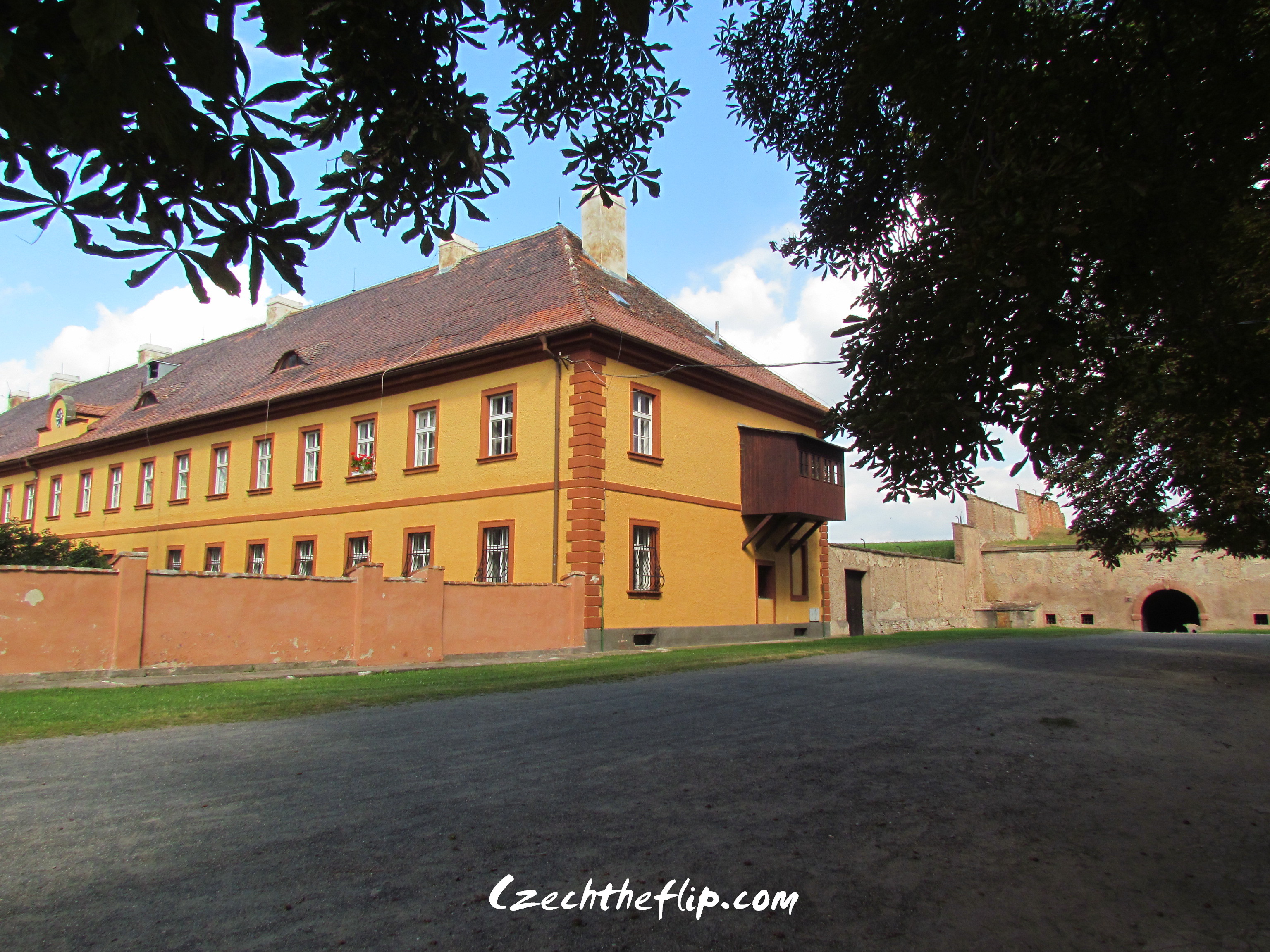
It is bordered by gates composed of an inner and outer wall in between a water moat.  Those who have tried and were unsuccessful were punished either through shooting or hanging in this.

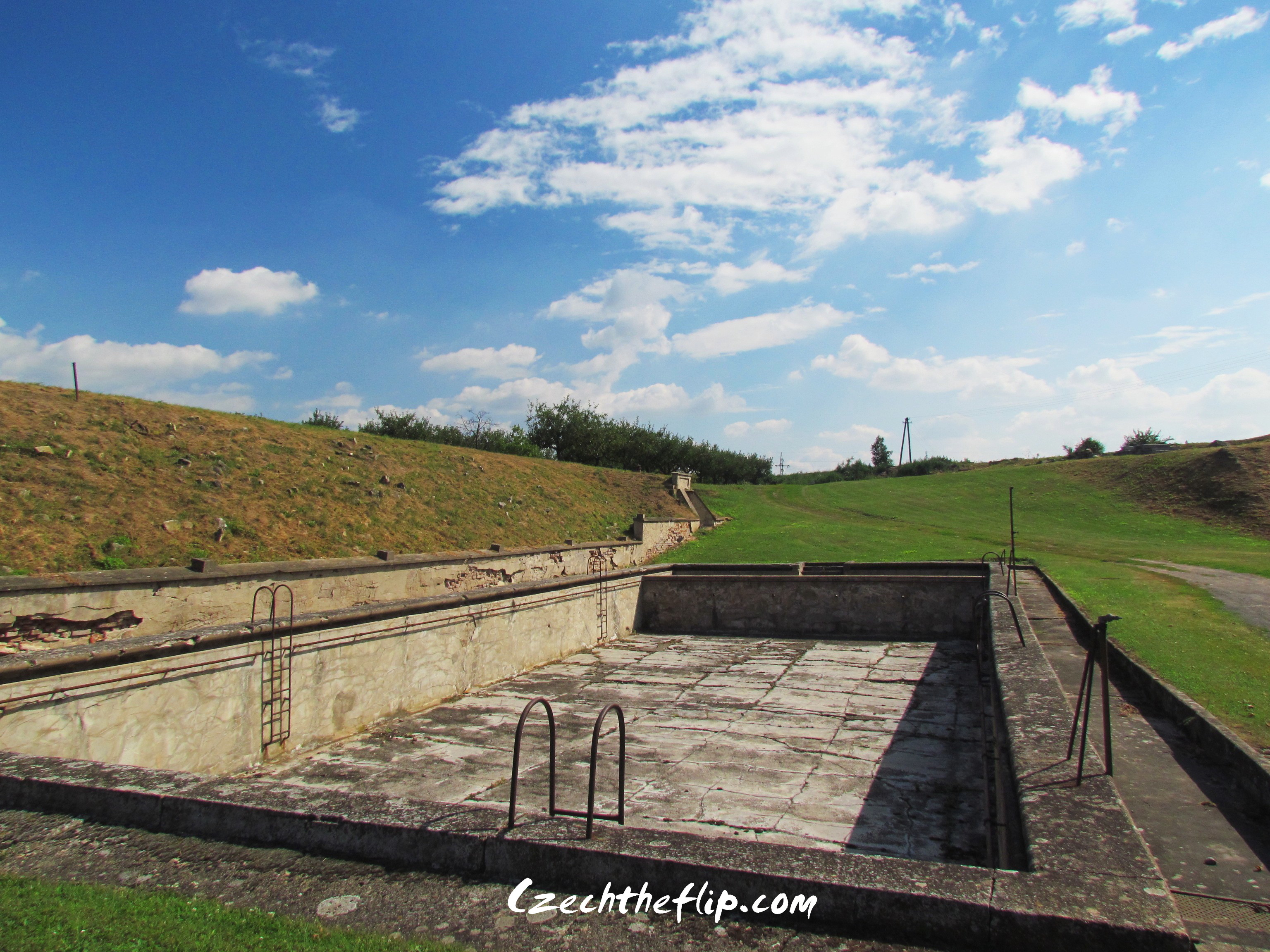
But while the inmates were living in squalor, the gestapo lived in these quarters.

They even had their own pool.

The trip to Terezin left me with a heavy heart.  The succeeding trip to the Ghetto museum where it showed the artwork of the children in the camp was even more heartbreaking.

Our next stop for this trip was Litoměřice.

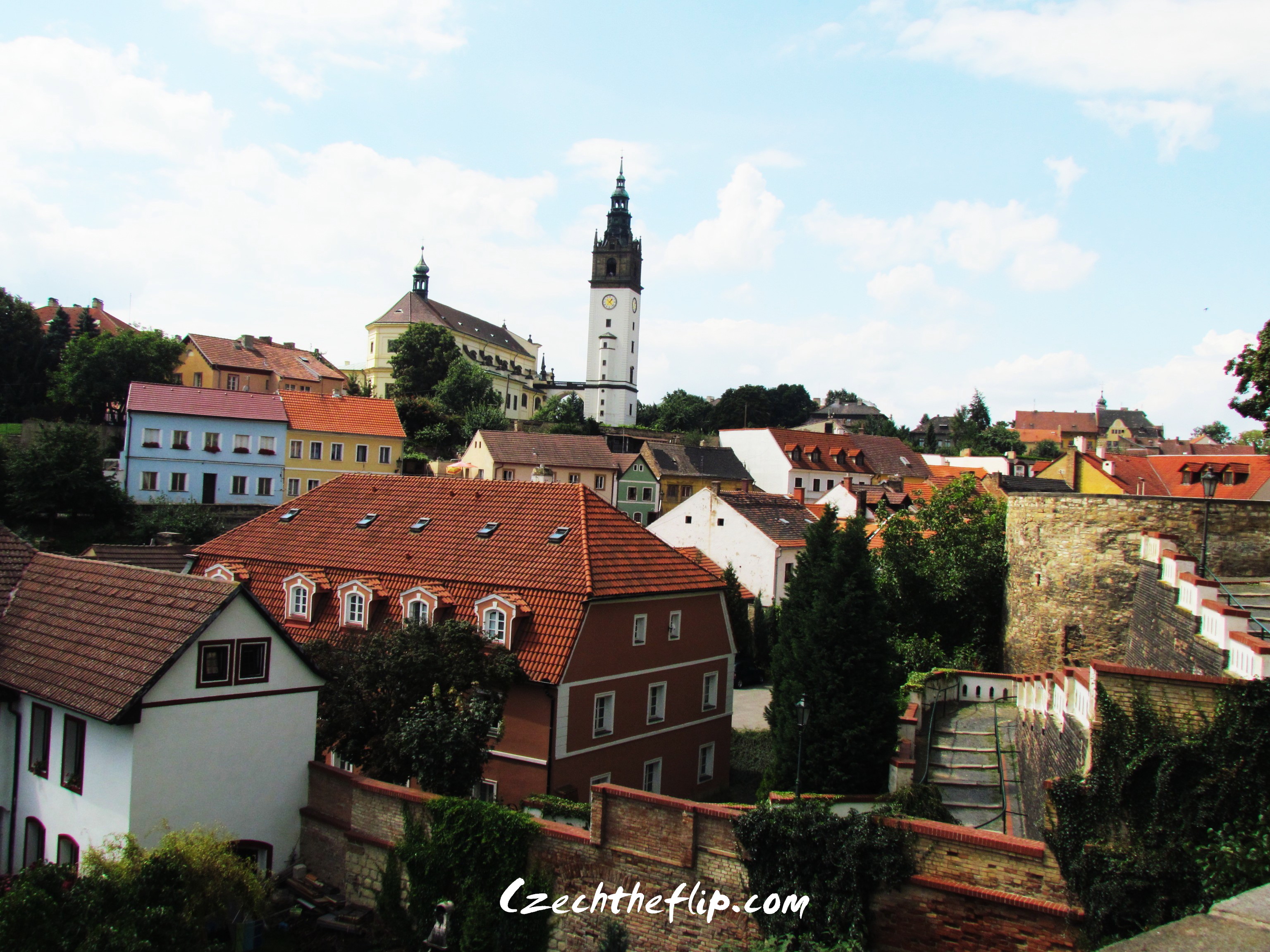
Litoměřice  is a very beautiful city.  It used to be called the “Garden of Bohemia” during the 17th century due to its fertile landscape.  Presently, the gothic and baroque structures surrounding the city are enough to enchant the adventurous tourist.

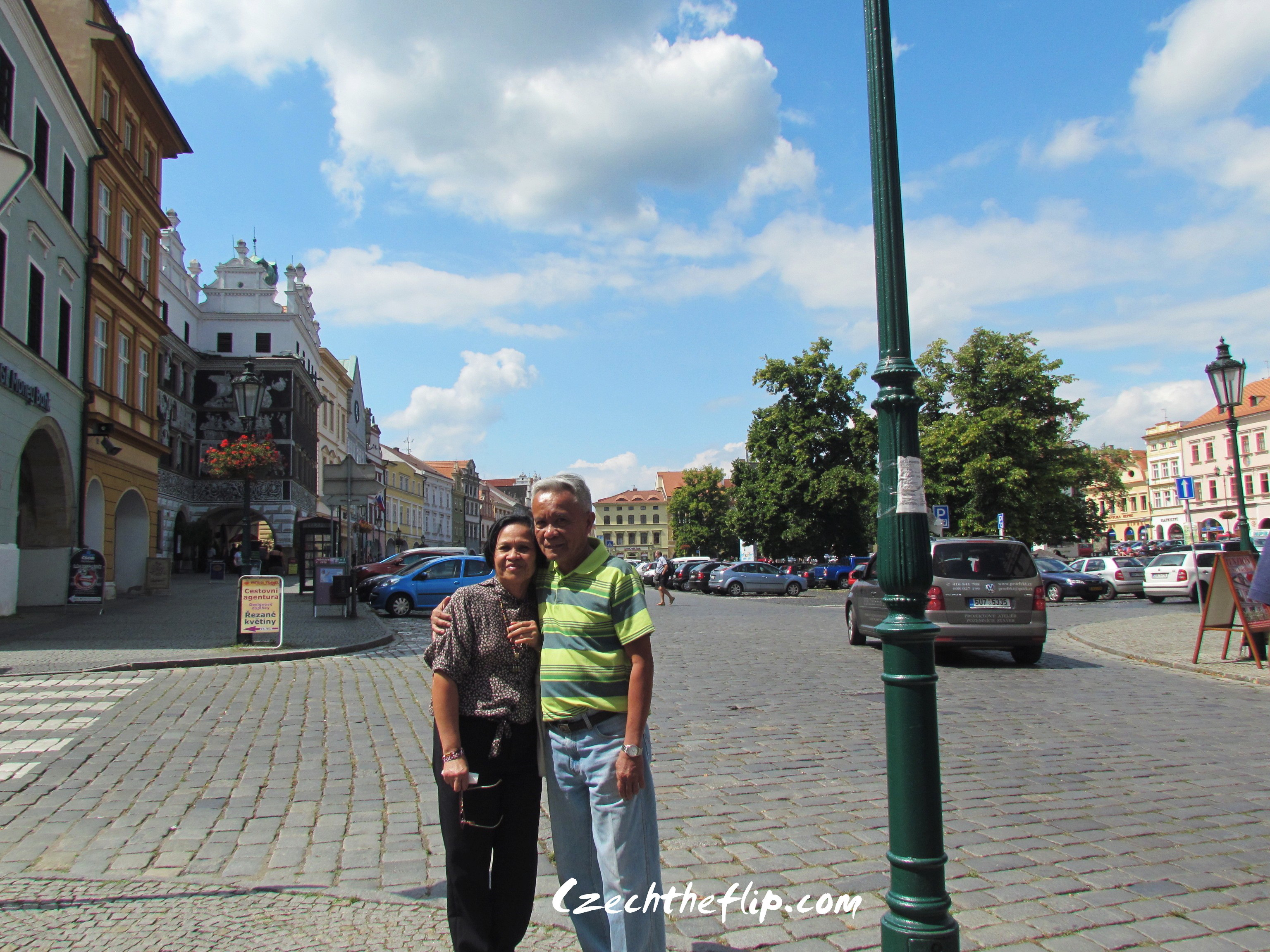
But for us Filipinos, the significance of this city has historical origins.  This is the city where  Jose Rizal, our national hero, spent some time to write his novels, and also formed a very close friendship with Ferdinand Blumentritt, a Czech national.   Needless to say, it was our first documented contact with Czechs.

When we got there, the goal was to find the Rizal bust, which was built in commemoration of the friendship between Rizal and Blumetritt.

But in the process of looking for the Rizal bust, I was momentarily captivated with this.

We didn’t have enough time to view the whole city, but I know that this will not be the first time I will visit this place.  I will be back.

Despite the long walk and the sultry sunny weather, the trip was very worthwhile.  It is one of the places I can definitely recommend on your visit to the Czech Republic.

More information about the city can be found here.

When In Doubt, I Don’t Open My Mouth

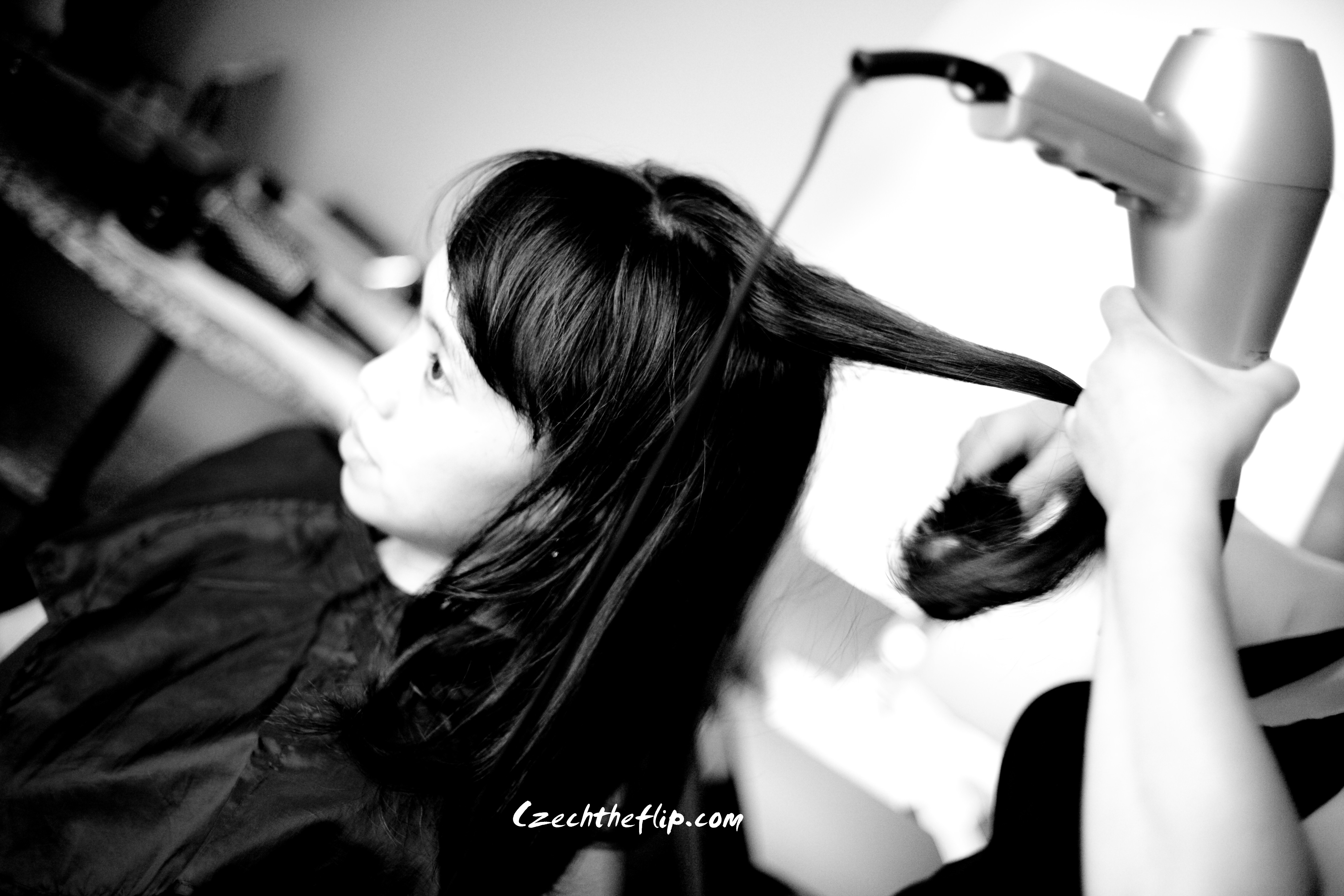
Last week, I had my first salon visit with no special help from a Czech speaking individual.  On my previous visits, I always had some form of assistance – be it from another English speaking salon customer or my husband.  Contrary to his liking, I used to drag my husband to come with me to the salon whenever I needed a hair procedure done.  You can’t blame me.  With my limited Czech, I don’t want to come in for a haircut and come out with a perm.

We are here in Czech for a year now and even though I didn’t get any formal language education, my day to day interaction somehow increased my vocabulary and I can now navigate my way through places and “important ” domestic tasks, like buying bread for instance. 🙂   So, I finally decided to brave it out and set up a salon appointment all by myself.

In setting up my appointment, I initially tried calling one of the salons I found on the internet.   Although their website was in Czech, google translator helped me out and translated it for me.  Because the website can be translated, I immediately thought that maybe they speak English.  When I dialed the salon number, a nice lady from the other line answered the phone in Czech.  After we exchanged pleasantries, I immediately asked:  “Do you speak english?”  To which she flatly replied: “Ne”.  So I was forced to speak Czech.  As I struggled through my Czech, I was not able to make an appointment because according to her, the schedules I wanted were all booked.  Hmmm.  I wondered if I may have misused some words or mixed up the days.  Unfazed and determined to make the appointment, I personally went to the salon to book it myself.  While I was there, she opened her schedule book to skim for vacant slots.  This gave me the opportunity to take a peek and pointed out to her days that are favorable for my schedule.  Alas!  I got a hair appointment.

On the day itself, I was prompt in keeping my scheduled time.  But since I booked very close to their closing time, I was the only customer there.  The lady who did my hair was very nice as she patiently listened to me explain what I wanted with my hair.  I explained it in 3 sentences:  “I am here for a hair appointment.  I need a hair coloring procedure.  Please make sure to cover my gray hairs.”    But to make sure she did not misunderstand what I was saying, she gave me a catalog to pick out a hair color.  After I picked out my choice,  she immediately started working.

Then we both shifted to “mute mode.”  She didn’t start talking nor did I initiate a conversation.  It was the weirdest hour and a half that I’ve ever spent in a salon.

One of the peculiarities that I find among Czechs is that they would rather ignore you than admit that they can’t speak your language.  In Europe, it is a requirement to speak 2 other languages other than your own.    English, being the most common language spoken by foreigners is recently being taught in schools as an elective.  But still, a great majority of Czechs don’t speak English.  My hairdresser was probably one of those that don’t.  Or maybe she was more conscious of her accent that’s why she didn’t talk to me.

On the otherhand, I am normally a very friendly and talkative person.  But I opted not to talk for fear of making a mistake or appearing rude.  I have a penchant for misusing words.  I once interchanged čočka (lentils) with kočka (cat).    I also once went to an optical shop and after the optician said she didn’t speak English, I said “to nevadí” (it doesn’t matter/nevermind).  I was later on told that it is not polite to use “to nevadi”  in that context.  So, I guess it’s better not to use certain lines if  I am not sure how to use it.

Thus, the appointment started with a nod and ended with a smile.

Reminiscing

In a few weeks, my parents will becoming to the Czech Republic.  Although we talk on skype almost every other week, it has been 3 years since we last saw each other and it will be the first time when they will meet Jakub.

As I am getting anxious about their arrival, I am also reminiscing the good memories we had when they visited us in the US.

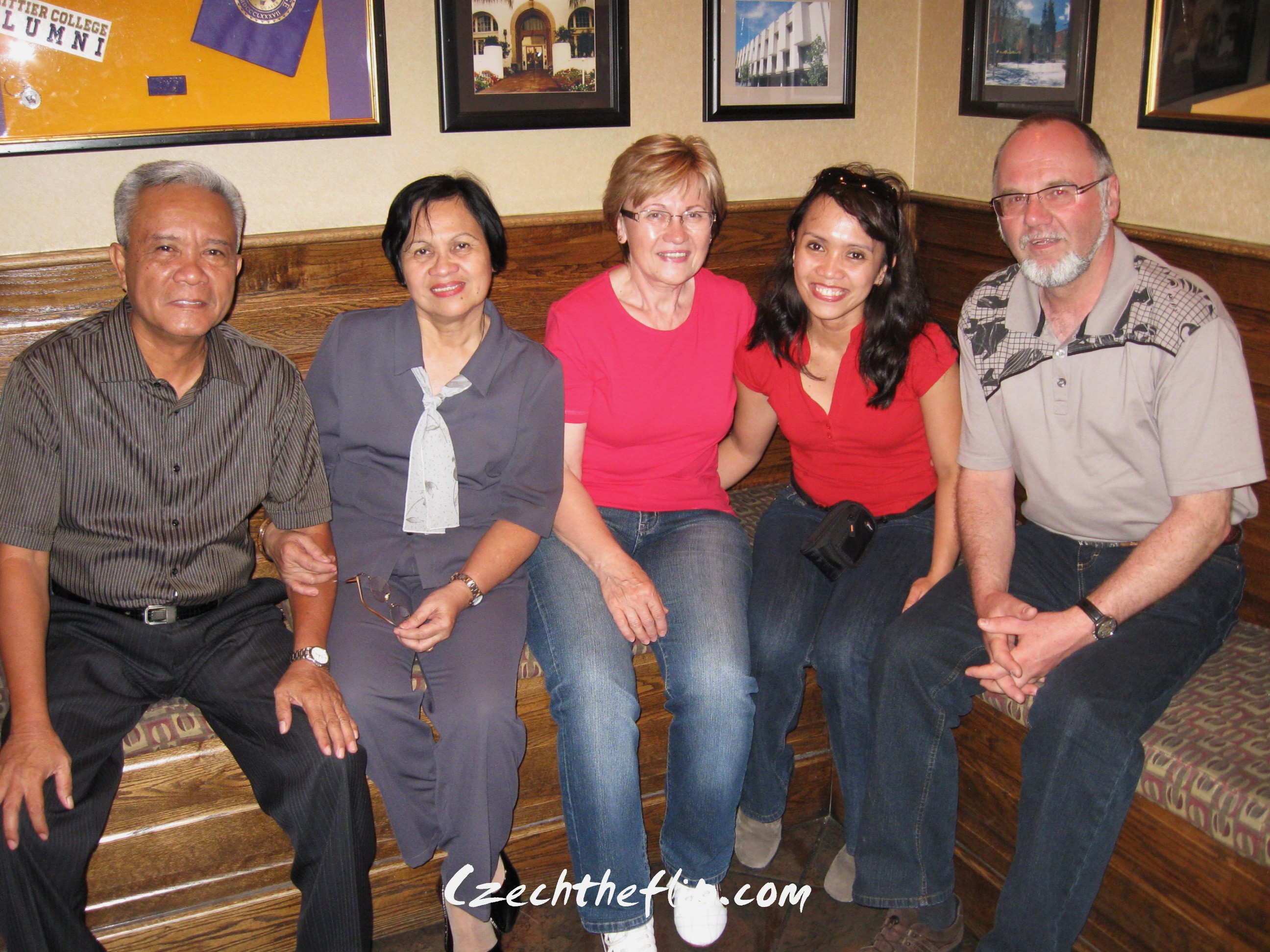
This was 3 years ago, when they initially met with my husband’s parents.  Despite the language barrier, everyone became instant friends.

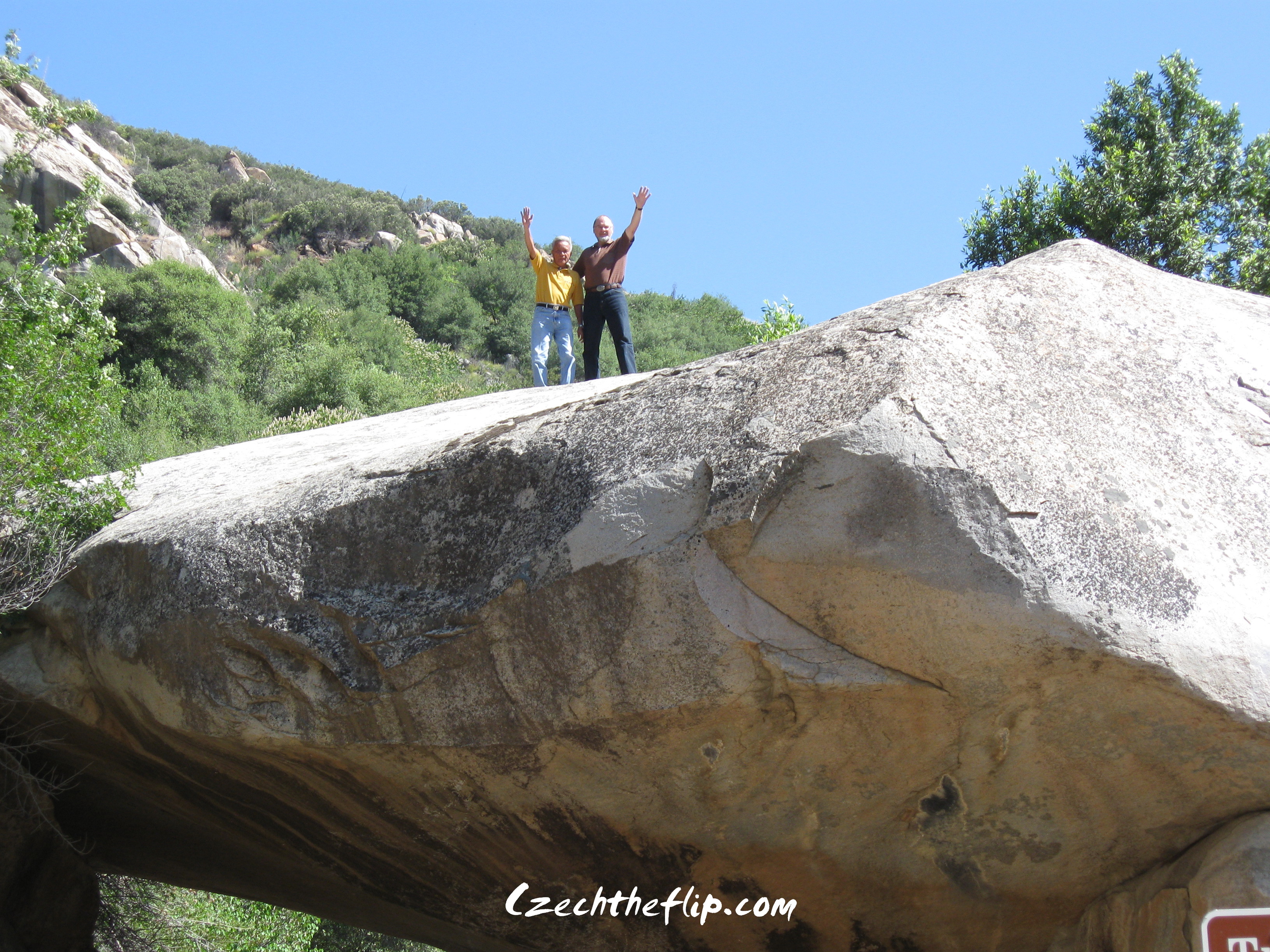
At Sequoia National Park, my dad and my father-in-law explored Tunnel rock together.

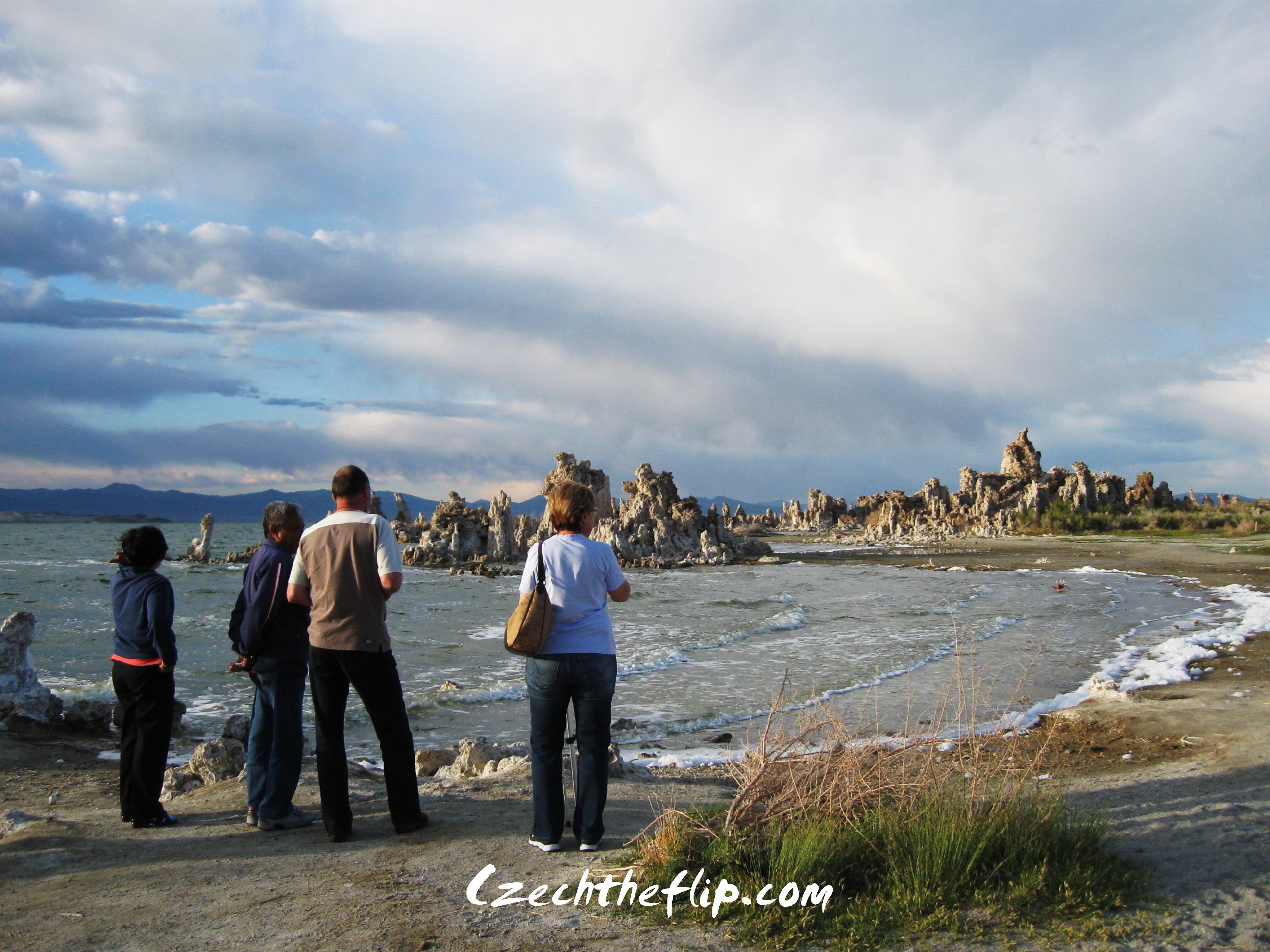
But over here at Mono Lake, you can see the geographical differences in their origins.  It was evident in how they responded to ambient temperature.  It was 23C that day.  The Filipinos got cold while the Czechs were complaining of warmth.

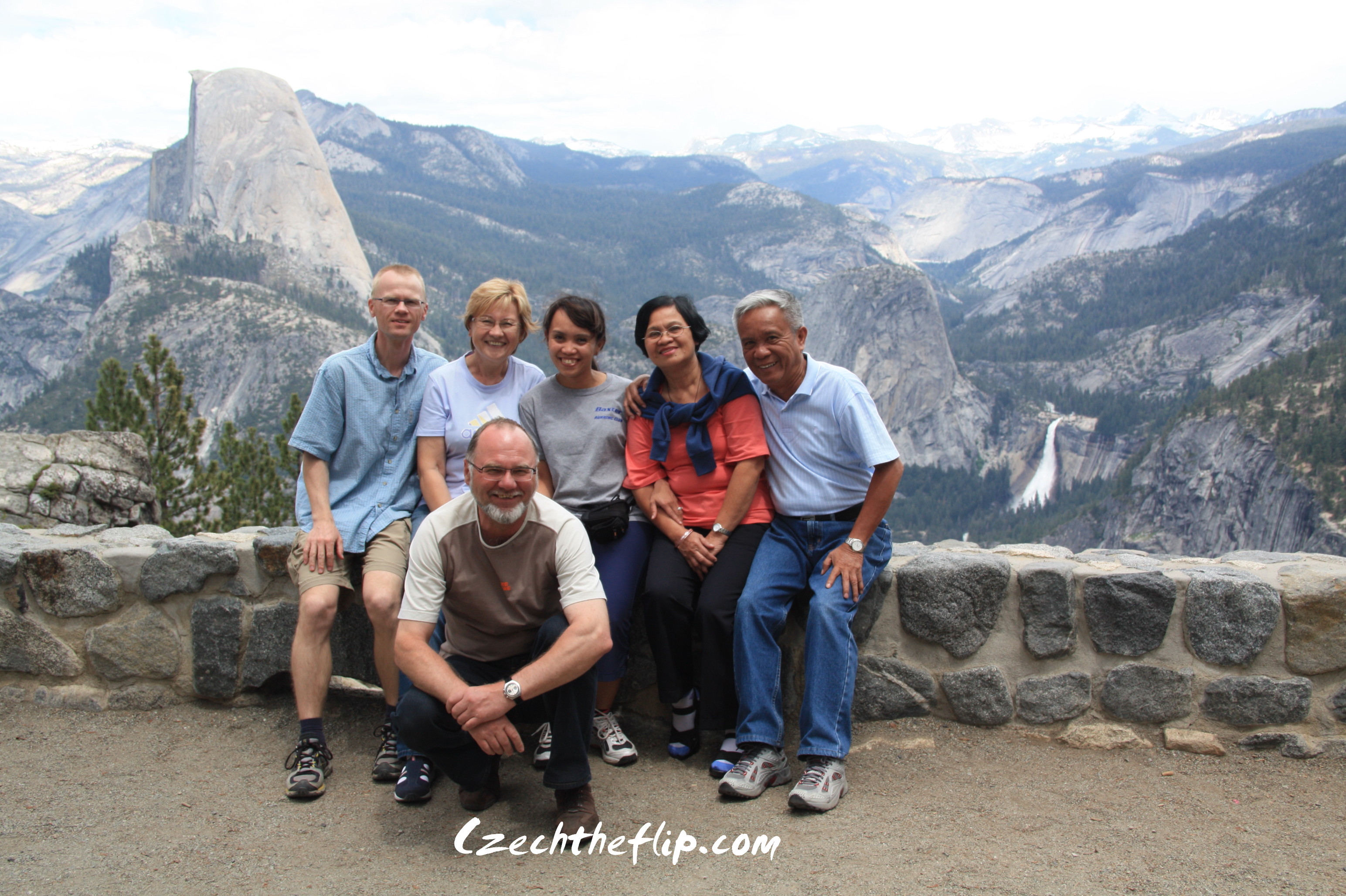
But under the warm California sun, everyone felt good the moment we got to Yosemite.
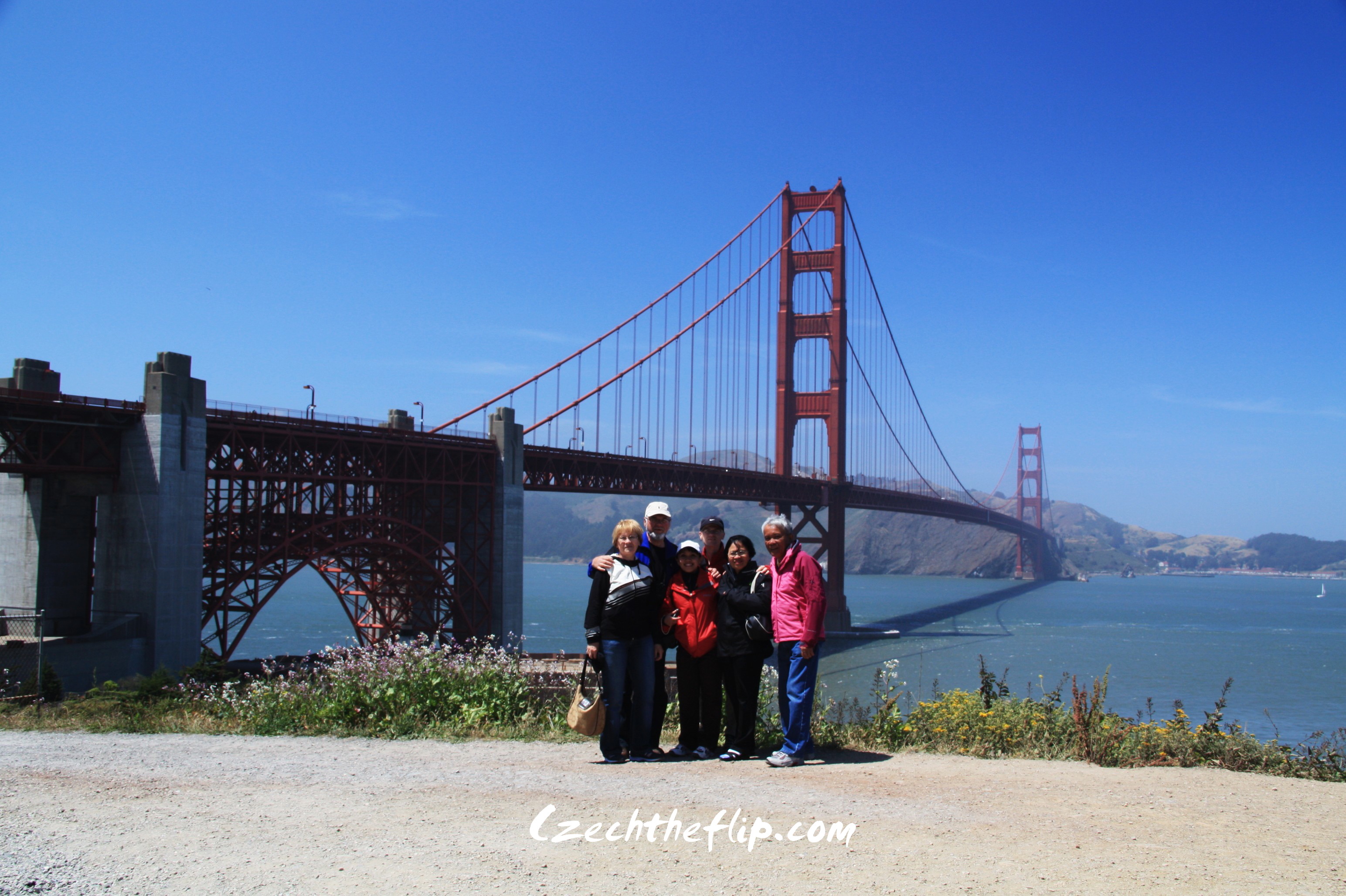
But San Franciso was still cold….even for the Czechs.
This year, it will be a reunion for this team….. with its newest team member.

I can’t wait!